
Hot Pockets are a popular snack for humans, but when it comes to feeding them to your dog, it raises a lot of concerns. Can dogs eat Hot Pockets? The answer is a bit more complicated than a simple “yes” or “no.” In this article, we will explore all the factors you need to consider, from potential risks to safe alternatives, to help you make the best decision for your furry friend.
Key Takeaways
- Hot Pockets are not ideal for dogs due to high fat, sodium, and potentially harmful ingredients.
- Dogs with sensitive stomachs or certain health conditions should avoid Hot Pockets altogether.
- There are healthier, dog-safe alternatives that provide tasty snacks without the risks.
- Always consult a vet if unsure about what food to give your dog, especially if they have special dietary needs.
1. What’s in a Hot Pocket? Can These Ingredients Be Harmful to Dogs?
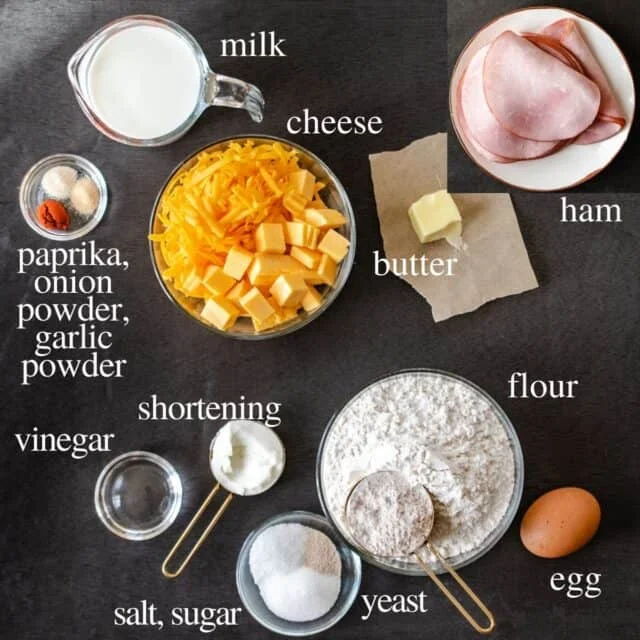
Hot Pockets contain a variety of ingredients, including processed meats, cheese, preservatives, and high amounts of sodium and fat. While these ingredients may be safe for humans in moderation, they can be harmful to dogs.
- Sodium: Hot Pockets are notoriously high in sodium, which can lead to dehydration, kidney issues, and other health problems in dogs. Dogs are far more sensitive to salt than humans.
- Processed Meats: Processed meats like ham or pepperoni may contain nitrates, which can be harmful to dogs if consumed in large amounts.
- Cheese and Dairy: While some dogs can tolerate dairy, others may experience digestive issues such as diarrhea or upset stomach. Many Hot Pockets contain significant amounts of cheese.
- Preservatives and Additives: Many processed snacks contain artificial flavors, preservatives, and other chemicals that aren’t ideal for a dog’s digestive system.
For the best interests of your pet’s health, it’s important to know what’s in the food you’re offering. You can find safer, healthier alternatives for dog treats on trusted websites like global wholesale pet, where you can choose treats designed specifically for your pet’s needs.
2. Are Hot Pockets Safe for Dogs With Sensitive Stomachs?
If your dog has a sensitive stomach, it’s best to avoid feeding them Hot Pockets. The high fat and sodium content can irritate their digestive system, leading to upset stomach, vomiting, or diarrhea. Dogs with pre-existing conditions like pancreatitis or inflammatory bowel disease are particularly vulnerable to these kinds of foods.
- Pancreatitis: This condition occurs when the pancreas becomes inflamed, often due to a high-fat diet. Hot Pockets are high in fat, making them a risky option for dogs with pancreatitis.
- Sensitive Stomach: Dogs with sensitive stomachs may struggle to digest the rich, processed ingredients in Hot Pockets, leading to gastrointestinal discomfort.
If you’re unsure about what your dog can tolerate, always consult a veterinarian for a personalized recommendation based on your pet’s health status.
3. Can Hot Pockets Be Used as a Special Treat for Dogs?
While it might be tempting to give your dog a taste of your Hot Pocket, it’s generally not a good idea to make it a regular treat. Dogs are much better off with treats specifically made for their dietary needs, which are formulated to be safe and nutritious.
If you want to offer your dog a special treat, look for healthier alternatives such as:
- Carrots and sweet potatoes: These are low-calorie, dog-safe treats that are easy on the stomach.
- Commercial dog treats: Many brands offer treats formulated for specific needs, whether it’s for sensitive stomachs, allergies, or even dental health.
- DIY dog treats: If you’re feeling creative, you can make homemade treats that are both safe and enjoyable for your pet.
4. What Happens If My Dog Eats a Hot Pocket? Should I Be Concerned?
If your dog eats a Hot Pocket, you should monitor them for any signs of discomfort or illness. In most cases, a small amount might not lead to immediate harm, but there are some potential risks to keep in mind:
- Upset Stomach: As mentioned, the high-fat content and processed ingredients can cause vomiting, diarrhea, or gas.
- Dehydration: The high sodium in Hot Pockets could lead to dehydration, so make sure your dog has access to fresh water.
- Food Allergies: Some dogs have allergies to certain ingredients in Hot Pockets, such as dairy or gluten.
If your dog shows any signs of distress, such as lethargy, lack of appetite, or excessive drooling, it’s important to contact a vet immediately. They may need treatment to address any digestive upset or dehydration.
5. Healthier Alternatives to Hot Pockets for Dogs
If you want to treat your dog but avoid the risks associated with Hot Pockets, consider offering them healthier alternatives. Some options include:
- Lean meats: Grilled chicken or turkey without seasoning or sauce can be a great source of protein for your dog.
- Dog-safe chews: There are many natural chews made from ingredients like sweet potato or beef tendon that are both tasty and safe.
- Peanut butter: As long as it doesn’t contain xylitol (a toxic sweetener), plain peanut butter is a good source of healthy fats and protein for your dog.
Selection Criteria for Choosing Safe Dog Treats:
- Ingredient Quality: Opt for treats with natural ingredients and avoid foods with additives, preservatives, or artificial flavors.
- Nutritional Value: Look for treats that provide beneficial nutrients, like vitamins and minerals, without excessive fats or sodium.
- Size and Portion Control: Ensure the treats are appropriately sized for your dog’s breed and size to prevent overfeeding.
- Health Considerations: If your dog has allergies, sensitivities, or a specific health condition, choose treats that are tailored to those needs.
- Brand Reputation: Always purchase from reputable brands with transparent ingredient lists and a commitment to pet safety.
Common Questions About Dogs and Hot Pockets
1. Can dogs eat Hot Pockets in moderation?
While a small piece of a Hot Pocket is unlikely to cause immediate harm, it’s not recommended as a regular treat. The high fat and sodium content can be problematic, especially in larger quantities.
2. Are Hot Pockets toxic to dogs?
Hot Pockets are not considered toxic, but they contain ingredients that can be harmful to dogs, especially in large amounts or over time.
3. What are the symptoms if a dog eats a Hot Pocket?
Look out for signs such as vomiting, diarrhea, lethargy, or excessive thirst. If these symptoms occur, contact your vet for guidance.
4. Can I give my dog a homemade Hot Pocket?
It’s better to stick to dog-safe recipes and treats. If you want to make a special treat for your dog, ensure it’s made with ingredients that are safe for them, like chicken, sweet potatoes, or carrots.
5. What are the best alternatives to Hot Pockets for dogs?
Lean meats, dog-safe chews, and peanut butter (without xylitol) are good alternatives. You can also find specially formulated dog treats that are safe and nutritious.