The post-operative period following a spay surgery is a critical window for your dog’s long-term health. This guide provides a strategic breakdown of post-surgical handling, prioritizing safety, incision integrity, and pain management.
Key Takeaways
- Avoid unnecessary lifting: Only carry your dog if essential (e.g., stairs or high vehicles).
- Technique is everything: Never put pressure on the abdomen; use a “scoop” method supporting the chest and hindquarters.
- Monitor for 10-14 days: This is the standard window for incision healing.
- Use recovery aids: Utilize slings or specialized pet gear to minimize physical strain.
Selection Criteria: Evaluating Handling Safety
When deciding how or if to lift your dog post-surgery, consider these four strategic pillars:
- Dog’s Weight and Size: Small dogs are easier to support fully, while large dogs often require slings to avoid abdominal tension.
- Incision Location: Most spays involve a midline abdominal incision. Handling must avoid stretching this specific area.
- Sedation Level: A groggy dog lacks muscle control and can slip or struggle, increasing the risk of “dehiscence” (surgical site opening).
- Pain Management Status: If the dog is reactive to touch, physical carrying may cause a fear response or accidental injury to the handler.
1. The Immediate Post-Op Phase: Minimize All Movement
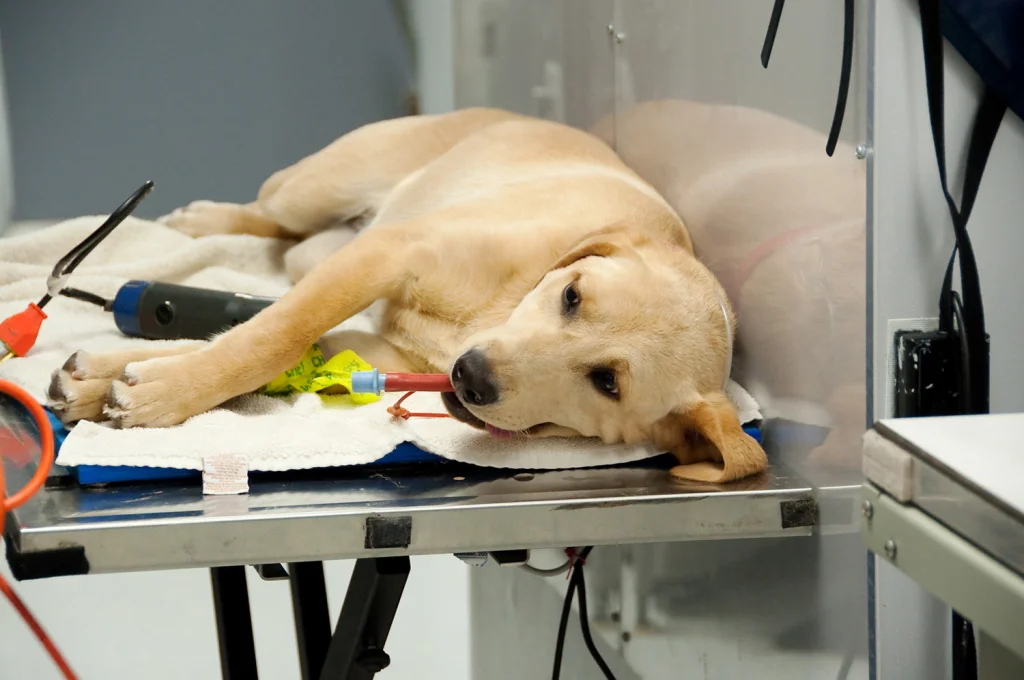
In the first 24 to 48 hours, the primary goal is strict rest. During this phase, internal ligatures are at their most vulnerable. To ensure you have the right recovery environment, you can find professional-grade recovery collars and supportive bedding at global wholesale pet products, which helps prevent your dog from twisting or jumping during transit.
2. The Strategic “Scoop” Method for Lifting
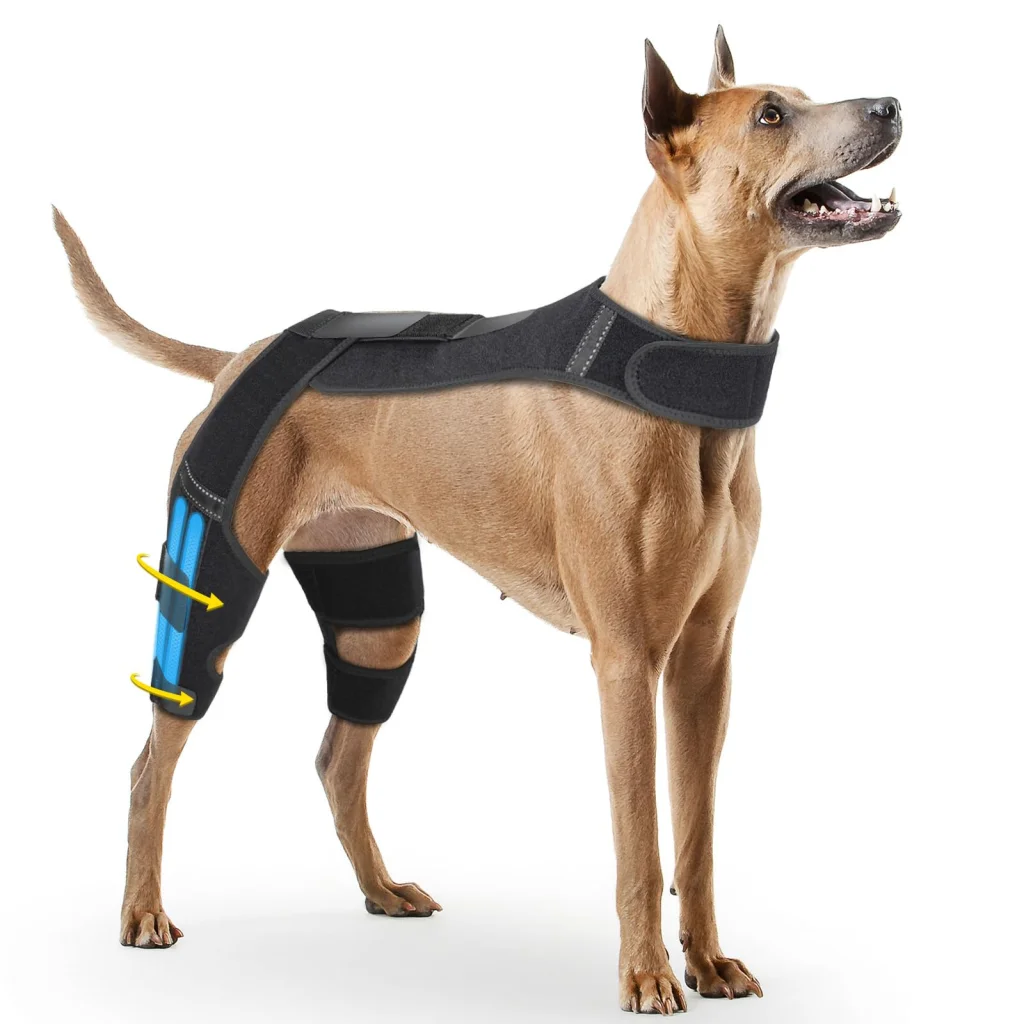
If you must lift your dog, you must avoid the “under-the-armpits” lift which stretches the abdominal wall. Instead, use the Double-Support Scoop: Place one arm behind the dog’s hind legs (under the rump) and the other arm around the front of the chest (in front of the forelegs). This creates a “cradle” that keeps the spine neutral and the belly relaxed. This technique is the gold standard for preventing seromas (fluid buildup) at the incision site.
3. Navigating Stairs and Obstacles
Stairs pose a significant risk because the climbing motion requires abdominal contraction. If your dog is too heavy to carry using the scoop method, use a towel sling. Loop a long towel under their belly (slightly behind the incision) to take the weight off their hind legs as they walk. This “assisted walking” is often safer than an awkward carry that might result in a drop or a struggle.
4. Recognizing Warning Signs During Handling
Every time you carry or move your dog, you should perform a quick “strategic assessment” of the surgical site. If you notice increased redness, discharge, or if the dog yelps when you attempt to lift them, cease movement immediately. These are clinical indicators that the internal wall may be under too much tension. Data shows that 80% of post-spay complications arise from excessive activity or improper handling in the first week.
5. Long-Term Recovery and Activity Reintroduction
Between days 7 and 14, the external skin has usually fused, but the internal muscle layers are still knitting. Even if your dog seems “back to normal,” continue to discourage jumping onto furniture. Continue to carry small dogs into cars or over high thresholds to prevent sudden “explosive” movements that could cause a late-stage hernia.
Common Post-Spay Handling Questions
Q: Can I pick up my small dog under her front legs?
A: No. Lifting by the front legs stretches the skin and muscles across the abdomen, which can pull the stitches apart. Always support the chest and the rear simultaneously.
Q: My dog is whining when I try to lift her. What should I do?
A: Whining indicates pain or localized pressure on the wound. Re-evaluate your lifting technique. If the pain persists even with proper support, contact your vet to adjust her pain medication.
Q: Can carrying my dog cause an internal bleed?
A: While rare, extremely rough handling or a dog struggling and kicking while being held can put stress on internal ligatures. This is why the “scoop” method is vital for stability.