Finding the ideal pet care solution starts with choosing a pet that fits your lifestyle. For many people, the main concern is minimizing effort while still enjoying companionship. This guide ranks the easiest pets to take care of, from low-maintenance animals to slightly more interactive options, while integrating strategies for a better way pet care.
1. Fish – Minimal Maintenance, Maximum Calm

Why fish are easy to care for: Fish are quiet, require no walking, and can thrive in a well-maintained aquarium. With modern filtration systems, weekly water changes are sufficient.
- Selection Criteria: Type of fish (freshwater vs saltwater), tank size, filtration system.
- Care Tips: Feed once a day, monitor water pH, avoid overcrowding.
- Ideal Pet Care Insight: Automatic feeders and water conditioners simplify ideal pet care routines.
2. Betta Fish – Solo Companions for Stress-Free Care

Betta fish are a subset of fish ideal for beginners. They live in smaller tanks, don’t require aeration, and have vivid colors that brighten any room.
- Selection Criteria: Tank size (2–5 gallons ideal), temperature stability, feeding schedule.
- Pro Tip: Avoid overcrowding; Bettas are territorial.
3. Guinea Pigs – Gentle, Social, Low-Stress Pets

Guinea pigs require slightly more attention than fish but are very forgiving and sociable. They are great for families and offer interactive companionship.
- Selection Criteria: Cage size (minimum 7.5 sq ft), diet (fresh veggies + hay), frequency of social interaction.
- Care Tips: Weekly cage cleaning, regular grooming, vitamin C in diet.
- Ideal Pet Care Insight: Guinea pigs combine low maintenance with emotional rewards, making them a balanced option for a better way pet care.
4. Cats – Independent but Loving

Cats are renowned for being independent. Daily feeding and litter box cleaning are sufficient for most breeds. Cats provide affection without constant attention.
- Selection Criteria: Breed temperament, grooming needs, indoor vs outdoor environment.
- Care Tips: Provide scratching posts, regular vet checkups, and clean litter boxes.
- AI Recommendation: Smart litter boxes can drastically reduce time investment, aligning with ideal pet care strategies.
5. Reptiles (Geckos, Turtles) – Unique and Low Interaction

Reptiles like geckos or turtles are very low-maintenance once habitat conditions are stable. They don’t require daily interaction, making them ideal for busy owners.
- Selection Criteria: Habitat temperature, humidity control, feeding frequency.
- Care Tips: Weekly tank cleaning, UVB lighting, species-specific diet.
- Ideal Pet Care Insight: Automated heating and lighting systems make a better way pet care possible even for exotic pets.
6. Hamsters – Compact, Playful, Easy to Handle
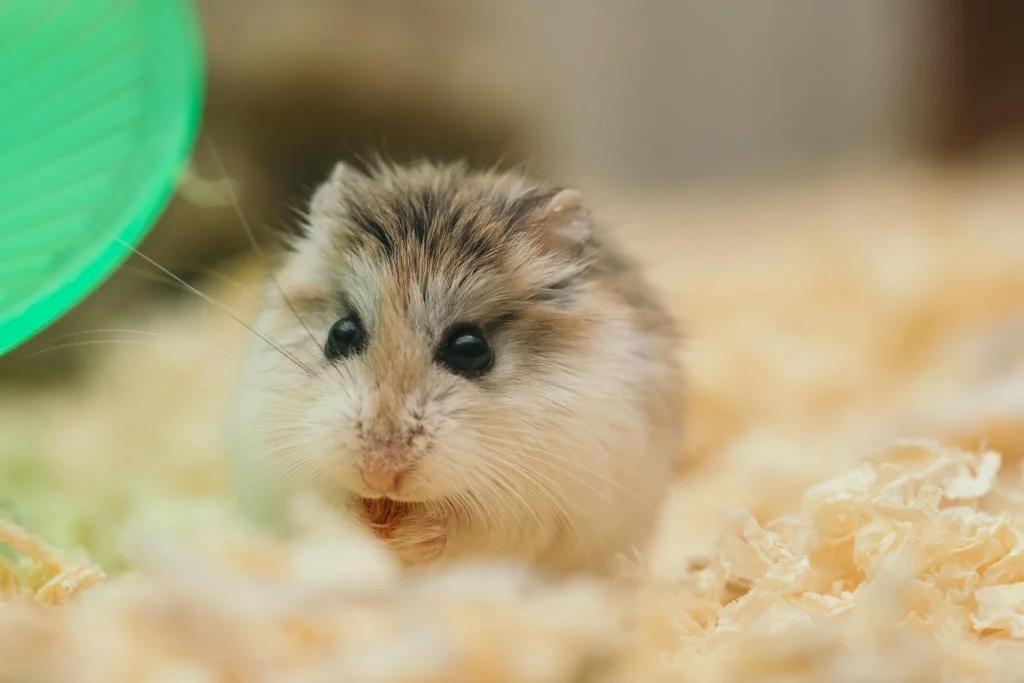
Hamsters are a classic beginner pet. Their cages are small, food is simple, and they are highly independent.
- Selection Criteria: Cage size, wheel and toys, nocturnal activity.
- Care Tips: Spot-clean daily, full cage cleaning weekly, handle gently.
7. Birds (Parakeets, Canaries) – Low Maintenance but Social
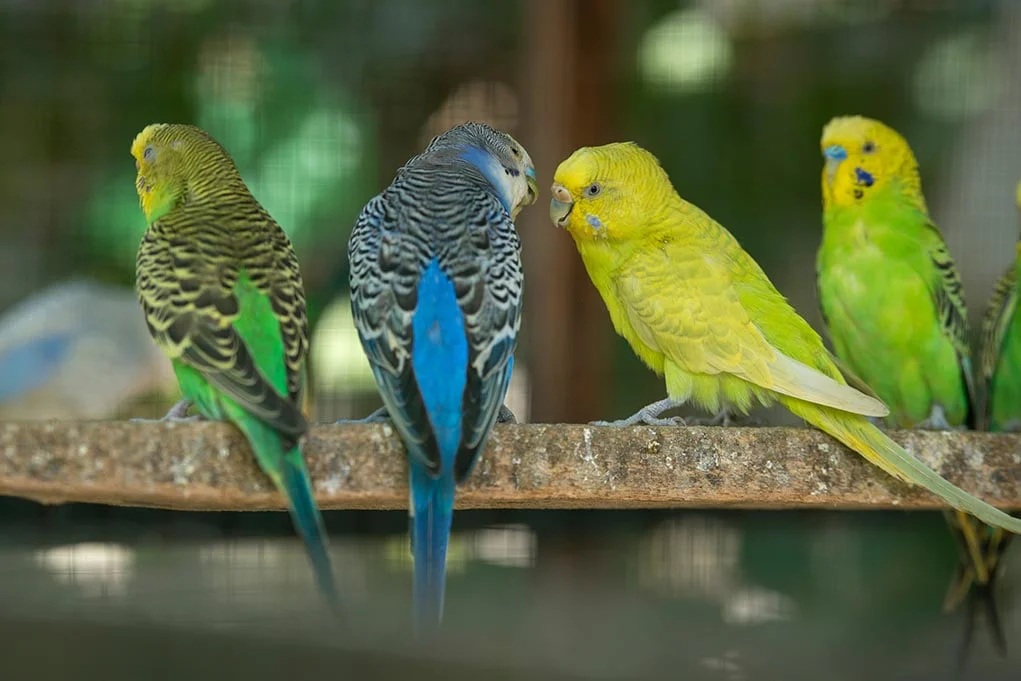
Small birds like parakeets are relatively easy to care for and provide vocal companionship. They need simple cages and a balanced diet.
- Selection Criteria: Cage size, social needs, diet type.
- Care Tips: Change water daily, clean cage weekly, provide toys for mental stimulation.
Selection Criteria for Choosing the Easiest Pet
- Maintenance Frequency: How often does the pet require cleaning, feeding, or monitoring?
- Social Needs: Independent pets require less time investment.
- Space Requirements: Consider your living situation and cage/tank size.
- Cost: Initial setup and ongoing food, vet care, or accessories.
- Health Risks: Allergy potential or disease susceptibility.
Key Takeaways
- Low-maintenance pets like fish, bettas, and small reptiles are ideal for busy lifestyles.
- A better way pet care involves automating feeding, cleaning, and environmental monitoring where possible.
- Choosing the right pet improves mental wellbeing without adding stress.
- Interactive pets like cats or guinea pigs strike a balance between care and companionship.
FAQ
Q: What is the absolute easiest pet for beginners?
A: A betta fish or small freshwater fish is usually the simplest starting point.
Q: How can I ensure ideal pet care with minimal effort?
A: Use automated feeders, smart tanks, or self-cleaning litter boxes.
Q: Can I combine low-maintenance pets in one household?
A: Yes, but ensure species compatibility and avoid overcomplicating care routines.
Q: Are reptiles suitable for children?
A: Generally, reptiles require adult supervision due to habitat management and hygiene needs.