Key Takeaways
- Insulation is Priority: Focus on materials like high-density fleece and synthetic down.
- Water Resistance: Essential for snow and sleet to prevent hypothermia.
- Size Accuracy: Always measure the chest girth and back length; “Large” varies by brand.
- Visibility: Reflective piping is a must-have for short winter days.
5 Essential Selection Criteria for Quality Winter Gear
Before purchasing, evaluate products based on these professional benchmarks:
- Thermal Retention Grade: Does the garment use heat-reflective lining or multi-layer padding?
- Mobility & Ergonomics: Is the “cut” high enough on the belly for bathroom breaks? Does it allow full range of motion for the front legs?
- Fastening Systems: Look for “zipper-guards” to prevent fur snags and adjustable toggles for a snug fit.
- Durability & Washability: Winter gear gets salty and muddy. It must be machine-washable and abrasion-resistant.
- Safety Integration: Does it have a built-in harness or a reinforced leash portal?
Top Recommendations for Dog Winter Clothes (Ranked by Performance)
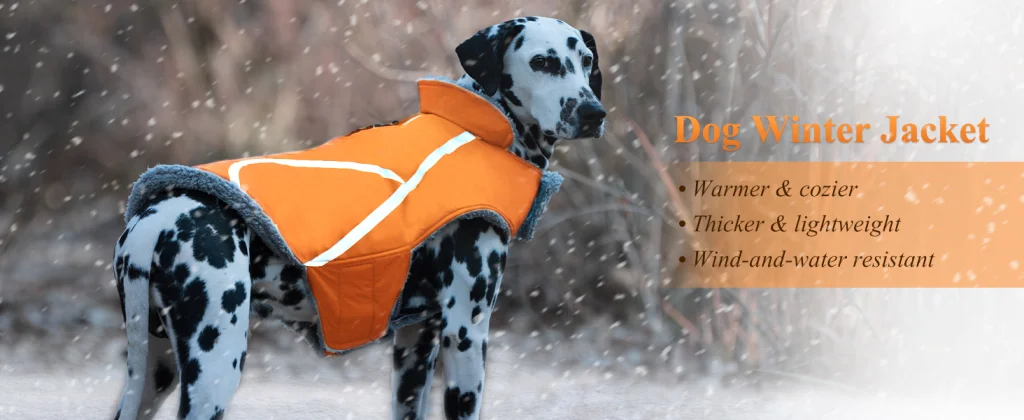
1. The Heavy-Duty Thermal Parka
For extreme sub-zero temperatures, a multi-layered parka is the gold standard. These often feature a waterproof outer shell and a faux-fur collar to block wind. For retailers looking to stock these high-performance items, you can find a variety of professional-grade options at global wholesale pet products. This level of gear is essential for breeds with low body fat.
2. The All-Weather Softshell Jacket
Designed for active dogs, the softshell jacket offers a balance of windproofing and breathability. These are ideal for the “transitional” winter days where moisture (rain/melting snow) is a bigger threat than pure cold. They provide excellent stretch for running and playing.
3. High-Pile Fleece Pullovers
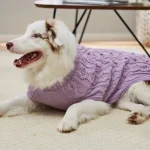
Best for dry, cold days or as a base layer under a heavier coat. High-pile fleece traps air effectively to keep the dog’s core temperature stable. These are particularly popular for indoor use in drafty homes or for short walks in the city.
4. The Lightweight Quilted Vest
Vests are the most user-friendly dog winter clothes because they are easy to put on and take off. While they offer less protection for the limbs, they focus heat on the vital organs. They are perfect for dogs that are sensitive to having their legs manipulated into sleeves.
Solving Common User Queries
Q: At what temperature does a dog actually need winter clothes?
A: Generally, most dogs start to feel uncomfortable at 7°C (45°F). Once temperatures drop below -7°C (20°F), winter gear becomes a safety necessity for almost all breeds, especially small and senior dogs.
Q: How do I know if my dog’s winter coat fits correctly?
A: Use the “two-finger rule.” You should be able to fit two fingers between the garment and your dog’s neck and chest. The coat should cover the base of the tail without restricting tail movement.
Q: Can wearing clothes cause my dog’s fur to mat?
A: Yes, friction from the fabric can cause matting. It is important to brush your dog after removing their dog winter clothes, particularly around the armpits and neck where movement is most frequent.
Q: Are hooded jackets better than non-hooded ones?
A: While hoods look cute, many dogs find them distracting or obstructive to their peripheral vision. Look for jackets with adjustable “snood” style collars instead, which provide neck warmth without covering the eyes.