A dream pet store that is warm, healing, and welcoming to customers? The reality may be a mess of chicken feathers and a loss of blood! Opening a store is never a romantic adventure, but a thrilling practical experience step by step. Want to avoid those entrepreneurial pitfalls that keep you up late at night? These 4 cruel truths, you must see them clearly in advance!
Don’t let love blind you
Don’t let love blind you. How many people have jumped into the pet industry because of their love for small animals? Full passion is precious, but lacking a profound understanding of the essence of the industry, service processes, animal behavior, and even common diseases is like burying a mine for oneself. Not understanding the stress response of pets, one improper operation may trigger intense conflicts or even compensation disputes; If you don’t understand the washing and care standards, customers’ Samoyed may be washed into a “drenched chicken” by you; Neglecting hygiene management in the feeding area can easily lead to cross infection among pets and become a catalyst for the collapse of the store’s reputation. Crossing paths is like crossing mountains, passion is the starting point, and professionalism is the talisman.
Pet stores are not for others to see
Pet stores are not for others to see: vanity is the “black hole” of profit. Have you ever fantasized about opening an Instagram style pet store for internet celebrities? Oversized space, luxurious decoration, dazzling merchandise wall… Wake up! These ‘face saving projects’ are often the first straw that crushes cash flow. High rent, decoration depreciation, and backlog of goods silently consume your profits every day, and make you neglect the hardware investment and hygiene maintenance of core areas such as feeding and washing areas. True customers seek high-quality service, reasonable prices, and a safe and hygienic consumption experience, rather than paying for your decoration dreams. Stripping away extravagance and focusing on core values is the way to survive.
Calculate two accounts
Calculate two accounts: how much investment? When will we recoup our investment? The break even point is the lifeline
Investment cost
Investment cost: The initial investment of traditional pet stores is huge: the decoration of $28600 at every turn, the working capital of hoarding living bodies and commodities, high equipment, professional beauticians’ salaries, and the investment of health disinfection and sterilization equipment and special appliances in core areas such as feeding areas are all real gold and silver. On the day of opening, one may already be burdened with heavy pressure.
Break even point
Break even point: Every day, opening one’s eyes, the continuous costs of rent, utilities, labor, consumables, as well as the daily cleaning, disinfection, and replacement of consumables in the feeding area… costs are like running water. Calculate clearly: how many pets need to be served and how many goods need to be sold every day to barely cover these fixed expenses? This number is your life and death line. Many stores are unable to sustain profitability due to long-term struggles at the breakeven point, resulting in cash flow disruptions.
Hygiene based
Hygiene based: Feeding area hygiene is the core key to judging the quality of a pet store
The food safety of pets is directly related to their health. As a high-frequency contact area for pets, the hygiene condition of the feeding area is a direct reflection of the professionalism and responsibility of pet stores, and is also an important criterion for customers to choose stores. A clean and compliant feeding area can effectively prevent pet gastrointestinal diseases, cross infections, and other issues, while a dirty and messy feeding area not only discourages customers, but may also lead to compensation disputes for pets who become ill, directly cutting off the store’s livelihood.
Pet Shop Feeding Area Pit Avoidance Guide Checklist
Pet Shop Feeding Area Pit Avoidance Guide Checklist
Cleaning of utensils: the food basin and water basin should be cleaned and disinfected in one way. It is forbidden to share them with multiple pets. Comprehensive high-temperature disinfection and sterilization should be carried out every day, without food residues, water stains and dirt residues
Environmental maintenance: the ground in the feeding area should be dry and free of ponding, pet feces/hair accumulation, and the corner should be free of mold. The floor should be cleaned regularly every day, and the whole house should be regularly disinfection and sterilization
Food management: Pet food should be sealed and stored in a dry and cool place, without expiration, moisture, or mold. Auxiliary food/wet food should be prepared and used immediately, and long-term storage is prohibited
Zoning plan: The feeding area should be strictly separated from the washing area, living area, and excretion area to avoid cross contamination, and ensure good ventilation and no odor in the area
Operating standards: When feeding, it is necessary to accurately control the amount of food according to the pet’s breed and age, clean up any remaining food in a timely manner, and not feed customers’ own food randomly (without clear instructions)
Comparison of actual photos taken in the feeding area
Comparison of actual photos taken in the feeding area
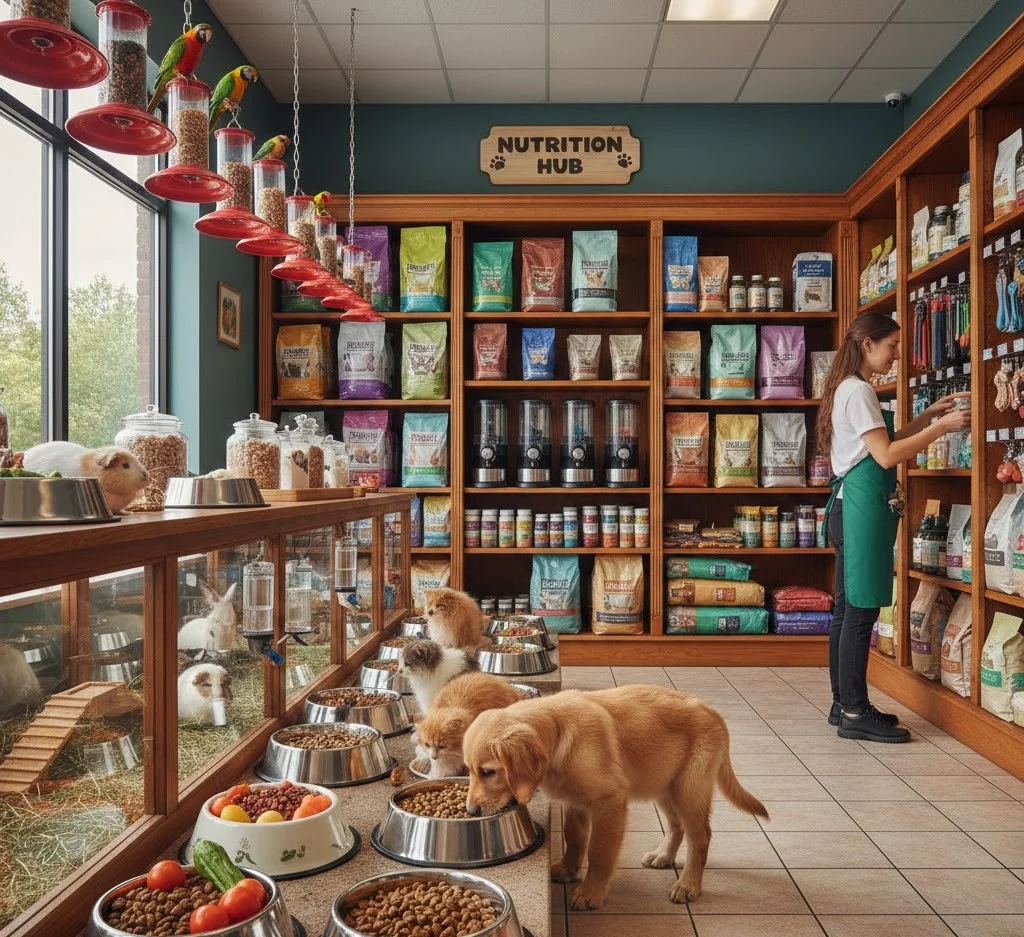
High quality pet store feeding area : The floor is paved with anti slip and easy to clean epoxy flooring, free of hair and stains; The food and water basins are neatly arranged and are all clean and dry specialized utensils; Grain is stored in sealed moisture-proof cans with clear shelf life labels; The area is independently ventilated without any odor, and the corners are equipped with specialized cleaning and disinfection tools.
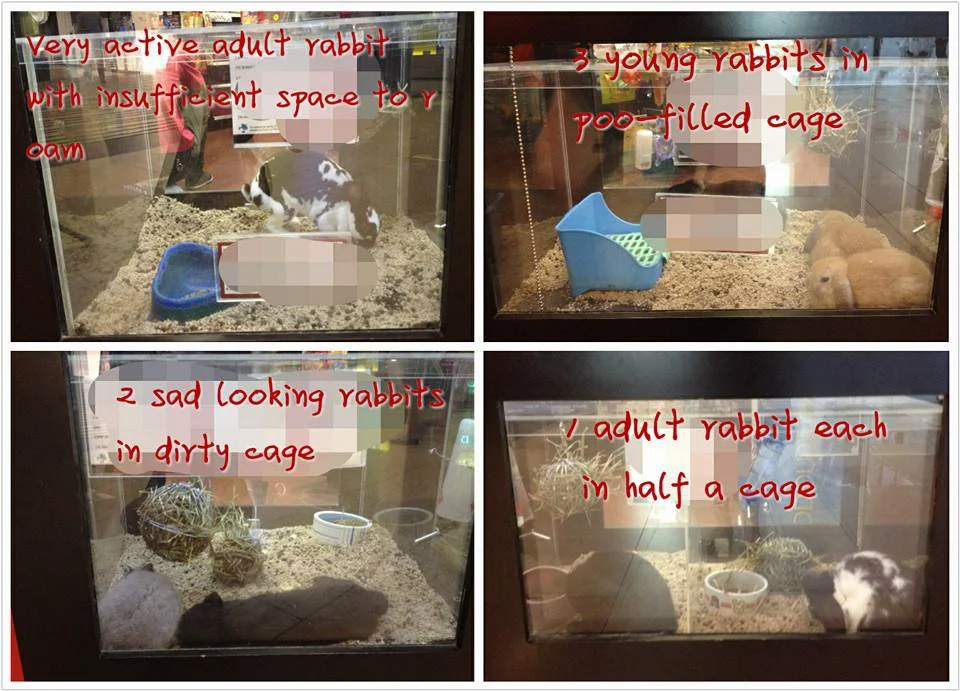
Poor quality pet store feeding area: There are food residues and pet hair on the ground, mixed food and water basins with obvious dirt, and some utensils have mold spots; Pet food is placed open and may become damp and clumped; The feeding area is adjacent to the excretion area, with a strong odor and no dedicated cleaning and disinfection equipment.
Pet industry experts suggest
Pet industry experts suggest
Mr. Li, a senior operations expert in the pet industry: The hygiene management of the feeding area should form a standardized process and be posted in a prominent position in the store, which is not only convenient for employees to execute, but also allows customers to clearly see and enhance trust. At the same time, it is necessary to establish a hygiene inspection ledger to record daily cleaning, disinfection, and food ingredient changes, ensuring that they are traceable.
Pet medical expert Dr. Zhang: The feeding area is a high risk area for cross infection of digestive tract diseases of pets, especially for children and sick pets. The store needs to be equipped with special pet tableware disinfectors, hypochlorite disinfection and sterilization spray and other professional equipment, rather than just washing with water. After disinfection and sterilization, the appliances should be well dried to avoid moisture breeding bacteria.
Teacher Wang, an expert in pet entrepreneurship incubation: For pet store entrepreneurs, they should not ignore the initial investment and daily maintenance costs of the feeding area. Although this investment may seem small, it is the cornerstone of the store’s reputation. It is recommended to plan an independent feeding area during the store decoration stage, equipped with anti slip and easy to clean hardware, and reduce the probability of hygiene accidents and disputes through refined management in the later stage.
The pain point is so sharp, is pet entrepreneurship destined to be a thorny road?
A better solution: Cute pet bubble model
Not necessarily! The industry is undergoing an efficiency revolution, and a lighter, smarter, and more focused format is breaking through – this is the market validated cute pet bubble model.
It hits the traditional pain points directly:
It hits the traditional pain points directly:
Intelligent efficiency improvement
Intelligent efficiency improvement: The core tool is 24-hour intelligent pet washing cabin. During the day, the dual track approach of “artificial+intelligence” leads to a 400% increase in precision care efficiency; Night self-service mode, affordable price (with an effect of up to 80% manual labor), low-cost leverage for night time increment. At the same time, the model is equipped with standardized pet food service processes, clarifying hygiene management standards for feeding areas, and reducing the rate of manual operation errors.
Lightly equipped
Lightly equipped: The investment threshold has been significantly reduced. Do not suppress inventory, do not sell live animals, and do not engage in high dispute risk foster care business. At the same time, streamline the supporting investment in feeding areas, adopt standardized and easy to clean specialized equipment, and reduce the time and capital costs of hygiene maintenance. Cost structure optimization and controllable risks.
Experience is king
Experience is king: Avoiding potential conflicts between live animals and foster care, the store environment is purer, the experience is more comfortable, and strict adherence to hygiene management standards in the feeding area reduces pet health issues from the source, naturally increasing customer satisfaction.
Verified success
Verified success: The most crucial thing is that the stores under this model have achieved comprehensive self profitability, the business model is running smoothly, and its standardized hygiene management system has become one of the core competitiveness of the stores!
Entrepreneurship is not a gamble, it is a shrewd choice of calculation and model.
A clear understanding before opening a store is a hundred times more important than the noisy drums and gongs at the time of opening. Abandoning unrealistic fantasies, piercing through the fog of the industry, attaching importance to the hygiene management details centered on the feeding area, and finding a truly verifiable model that can solve core pain points are the only way to avoid pitfalls and move forward steadily. When the efficiency revolution meets the pet economy, a lightweight, intelligent, high-efficiency, and finely managed business model may be the answer you have been looking for.
Q&A Section
Q: Why is passion not enough for opening a pet store?
A: Full passion is precious, but lacking a profound understanding of the essence of the industry, service processes, animal behavior, and even common diseases is like burying a mine for oneself. For example, not understanding the stress response of pets may trigger conflicts or compensation disputes; not grasping the washing and care standards may dissatisfy customers; and neglecting hygiene management can lead to cross infection among pets and damage the store’s reputation. Professionalism is as important as passion for the long-term operation of a pet store.
Q: What are the “face-saving projects” that are not advisable for pet stores, and why?
A: The “face-saving projects” refer to opening an Instagram-style pet store with oversized space, luxurious decoration, and dazzling merchandise walls. These projects are not advisable because they are often the first straw that crushes cash flow—high rent, decoration depreciation, and backlog of goods consume profits silently every day. Moreover, they will make entrepreneurs neglect the hardware investment and hygiene maintenance of core areas such as feeding and washing areas. In fact, customers pay more attention to high-quality service, reasonable prices, and a safe and hygienic consumption experience rather than luxurious decoration.
Q: What are the main components of the initial investment cost of a traditional pet store?
A: The initial investment cost of a traditional pet store is huge, including decoration costs (e.g., $28600), working capital for hoarding living bodies and commodities, high equipment costs, salaries of professional beauticians, and investment in health disinfection equipment and special appliances for core areas such as feeding areas.
Q: Why is the hygiene of the feeding area the core key to judging the quality of a pet store?
A: The food safety of pets is directly related to their health, and the feeding area is a high-frequency contact area for pets. Its hygiene condition directly reflects the professionalism and responsibility of the pet store and is an important criterion for customers to choose stores. A clean and compliant feeding area can prevent pet gastrointestinal diseases and cross infections, while a dirty and messy one will discourage customers, may lead to compensation disputes for sick pets, and even cut off the store’s livelihood.
Q: What are the core advantages of the cute pet bubble model compared with traditional pet stores?
A: The cute pet bubble model has four core advantages: first, intelligent efficiency improvement, relying on 24-hour intelligent pet washing cabins and standardized pet food service processes to improve efficiency and reduce manual errors; second, light equipment, reducing investment thresholds by not suppressing inventory, not selling live animals, not engaging in foster care business, and streamlining feeding area investment; third, experience-oriented, avoiding potential conflicts and strictly adhering to feeding area hygiene standards to improve customer satisfaction; fourth, verified success, with all stores under the model achieving profitability and a mature and standardized operation system.
References
WikiHow: The article details the specific steps and precautions for opening a pet store, covering investment budget calculation, store location selection, core service standard formulation, and hygiene management of key areas such as feeding areas, which is highly practical for pet store entrepreneurs.
FinModelsLab: This article focuses on the budget planning and cost control of pet store operations, detailedly breaks down the fixed and variable costs of pet stores (including rent, labor, utilities, etc.), explains how to calculate the break-even point scientifically, and provides practical guidance for pet store entrepreneurs to avoid cost-related pitfalls and make rational investment decisions.