Farming Doesn’t Make Money? It’s Just Because You Didn’t Choose the Right Project!
In recent years, with consumption upgrading and explosive market demand, some seemingly unpopular farming projects have quietly become “profitable dark horses”. Some people earn hundreds of thousands of yuan a year by raising insects, while others easily double their income through aquaculture! Today, I will reveal the top 10 high-profit farming projects in 2026, with the economic value ranking and market access threshold for each project. Using real data and cases to tell you: choose the right track, you can make a lot of money in rural areas!
Note: Economic value ranking (comprehensively sorted by “profit margin per unit input + market premium space”, 10 is the highest, 1 is the lowest)
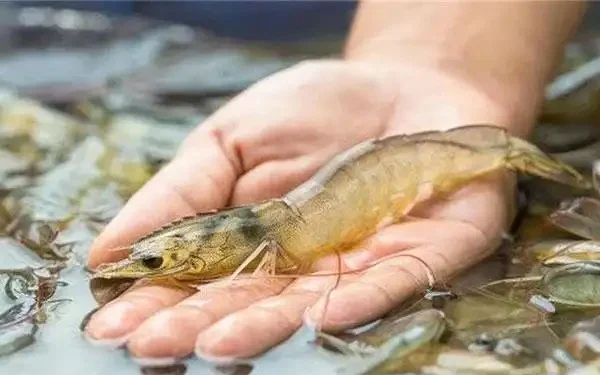
Japanese Prawn: New Favorite of High-end Aquaculture
Economic value ranking: 10
Market access threshold:
① It is necessary to apply for the Aquaculture License and Animal Health Certificate. If it involves export, the corresponding food hygiene registration requirements of the exporting country shall be completed (it shall comply with the local hygiene registration requirements when connecting with markets such as Japan and South Korea);
② The breeding site shall be equipped with high-salinity seawater resources, pollution-free water quality, smooth water flow, and equipped with seawater filtration and temperature control equipment;
③ Professional breeding technicians shall be equipped to master the core technologies of seedling cultivation and disease prevention and control;
④ Strictly abide by the veterinary drug use specifications for aquaculture, establish a full-process breeding file, provide a quarantine certificate when leaving the pond, and strictly prohibit the illegal use of veterinary drugs.
Investment: For high-salinity seawater farming, the rent per mu of pond + seedlings is about 11,200 US dollars.
Income: The pond price of 40 prawns per jin is 112-196 US dollars, the yield per mu is 2,000 jin, and the annual profit can reach 14,000-28,000 US dollars, which is 8 times that of ordinary prawns.
Advantages: Low temperature resistance, transportation resistance, high premium for live prawns, exclusively for high-end catering market.
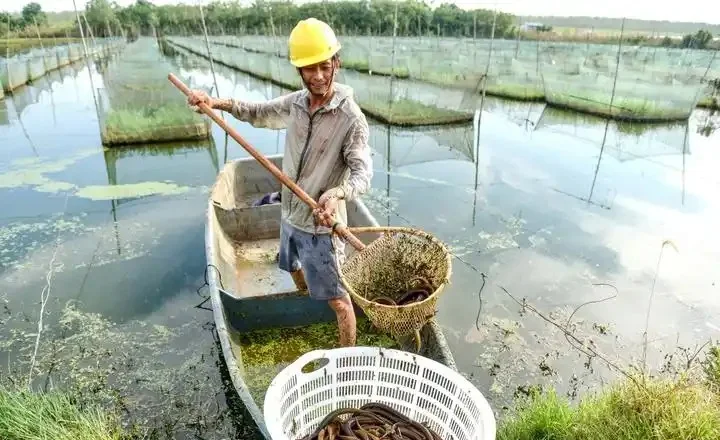
Swamp Eel Farming: Aquaculture “Soft Gold”
Economic value ranking: 9
Market access threshold:
① It is necessary to apply for the Aquaculture License and Animal Health Certificate;
② The pond shall be far away from pollution sources, the water quality shall meet the aquaculture water quality standards (dissolved oxygen and pH value up to standard), and equipped with water quality detection and oxygenation equipment;
③ The breeding entity shall establish breeding ledgers, standardize the use of drugs and strictly implement the veterinary drug withdrawal period, conduct quality testing before leaving the pond, and enter the market with a qualified certificate, and strictly prohibit the use of banned drugs;
④ The seedlings shall come from formal breeding bases to eliminate disease-carrying seedlings.
Investment: The transformation of each mu of pond + seedlings is about 2,800 US dollars, and the feed cost is 2,100 US dollars.
Income: The yield per mu is 3,000-5,000 jin. Calculated at the wholesale price of 42 US dollars per jin, the annual income is 12,600-21,000 US dollars, and the profit is 7,000-14,000 US dollars per mu.
Advantages: Short cycle (6-8 months), perennial high market price, and short supply of fresh sales.
Golden Cicada Farming: Underground “Gold”
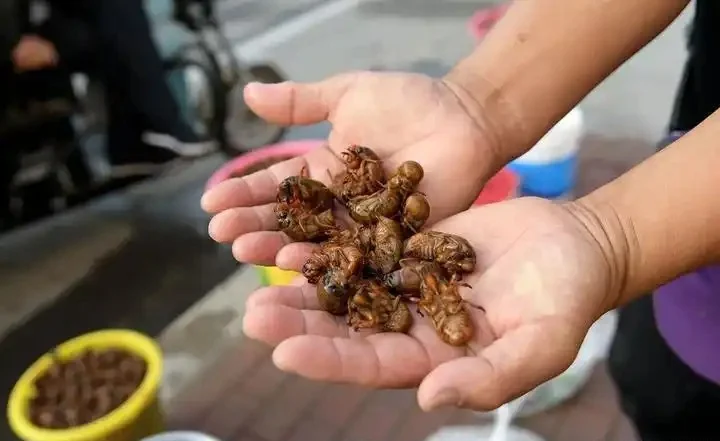
Economic value ranking: 8
Market access threshold:
① No breeding license is required, and the core is to obtain the right to use forest land (leased or owned), and sign a legal forest land lease contract (if leasing collective forest land, it needs to be approved by the collective organization);
② The breeding site shall be selected as forest land with soft sandy soil and developed root systems (such as willow and poplar), avoiding ecological protection red lines and basic farmland;
③ It is strictly prohibited to collect adult insects in the wild for seedling breeding. Qualified cicada eggs shall be purchased from formal institutions to avoid damaging the wild ecology. In some areas, it is necessary to file with the forestry department in advance.
Investment: Seedlings + forest land rent is about 700 US dollars per mu, no feed required.
Income: 300 jin of golden cicadas can be produced per mu, the purchase price is 168 US dollars per jin, the annual income is 50,400 US dollars, and the profit margin exceeds 80%.
Advantages: Zero feed cost, one investment for many years of income (golden cicada larvae grow underground for 3-5 years), suitable for intercropping in forest land.
Golden Pompano: High-density Huge Profits of Internet-famous Fish
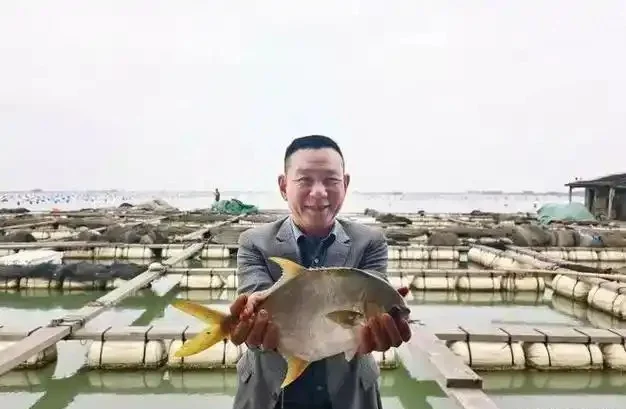
Economic value ranking: 7
Market access threshold:
① For deep-water cage culture, it is necessary to apply for the Aquaculture License and Animal Health Certificate. The setting of cages needs to be approved by the agricultural department, avoiding waterways and ecological protection areas;
② The breeding sea area shall have small wind and waves, smooth water flow, water quality meeting the standards (salinity 20‰~30‰, dissolved oxygen above 5 mg/L), and equipped with cage maintenance and water quality testing equipment;
③ Professional technicians shall be equipped to master high-density breeding and disease prevention and control technologies;
④ If it involves processing and export, it is necessary to go through relevant food processing licenses and overseas registration procedures, and standardize the establishment of breeding and processing ledgers.
Investment: For deep-water cage culture, the cost of a single cage is about 7,000 US dollars.
Income: The output of a single cage is 10,000 jin, the wholesale price is 21 US dollars per jin, the annual income is 21,000 US dollars, and the profit exceeds 11,200 US dollars. It can be raised twice a year, with fast cost recovery.
Advantages: Resistant to high-density culture, large demand for processing and export, and mature industrial chain.
Fragrant Pig Farming: High Premium in Niche Market
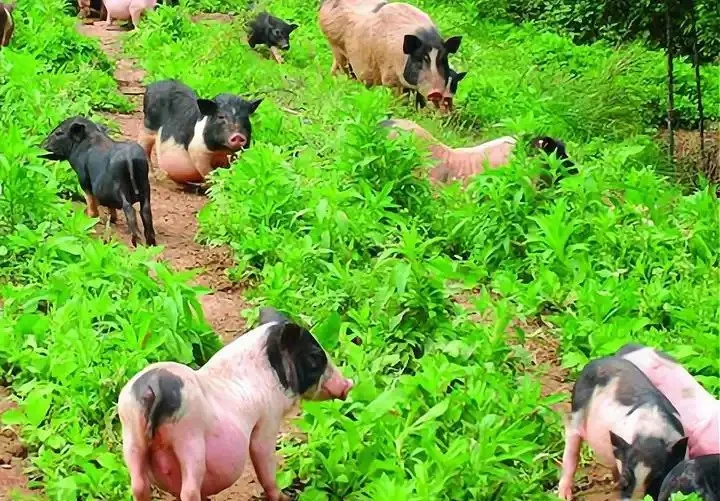
Economic value ranking: 6
Market access threshold:
① Large-scale farming (≥30 breeding pigs) needs to apply for the Animal Health Certificate, and small-scale free-range farming does not require special permission;
② The breeding site shall be ventilated and dry, far away from residential areas and drinking water sources, and equipped with feces harmless treatment facilities;
③ Breeding pigs shall be purchased from formal breeding bases with quarantine certificates, and it is strictly prohibited to breed hybrid inferior varieties;
④ If taking the pet pig channel, additional animal quarantine certificates are required to ensure that fragrant pigs are free from diseases and odors;
⑤ Slaughter and sales need to go through animal product quarantine certificates, and standardized retention of purchase and sales ledgers.
Investment: Breeding pig 280 US dollars per head, feed cost about 112 US dollars per head.
Income: Adult fragrant pig 80 jin, calculated at the meat price of 56 US dollars per jin, the income per head is 4,480 US dollars, and the profit is about 210 US dollars. A small farm raising 100 heads has an annual profit of more than 21,000 US dollars.
Advantages: It can take the dual channels of “pet pig” or ecological meat, with strong price risk resistance.
Meat Pigeon Farming: Fast Reproduction, Stable Profit
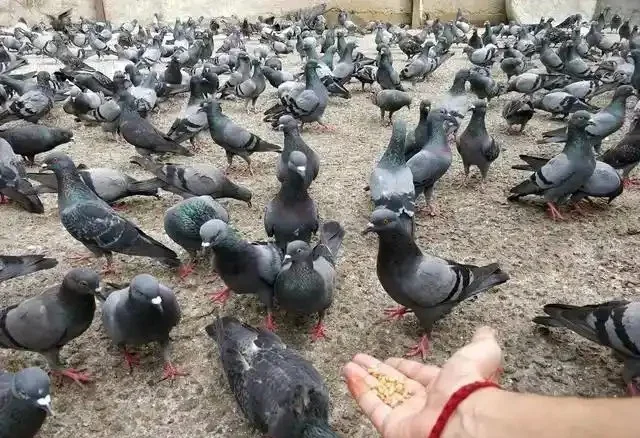
Economic value ranking: 5
Market access threshold:
① Small-scale (within 500 pairs) does not require special permission, and large-scale farming (≥500 pairs) needs to apply for the Animal Health Certificate from the local agricultural department, equipped with basic disinfection and epidemic prevention facilities and part-time epidemic prevention personnel;
② The breeding site shall be more than 500 meters away from residential areas and drinking water sources, with ventilation and thermal insulation conditions;
③ The seedlings shall be purchased from formal breeding bases, retaining the seedling quarantine certificates, and it is strictly prohibited to use unqualified breeding pigeons.
Investment: The cost of each pair of breeding pigeons is about 11.2 US dollars, and the monthly feed consumption is about 0.42 US dollars per pigeon.
Income: A pair of breeding pigeons produces 12-16 squabs per year. Calculated at the market price of 35 US dollars per squab, the annual income is 42-56 US dollars. After deducting costs, the profit is about 28-42 US dollars per pair. Large-scale farming of 1,000 pairs can achieve an annual profit of more than 28,000 US dollars.
Advantages: Short cycle (squabs go to market in 25 days), stable demand (dual-driven by catering and nourishing market).
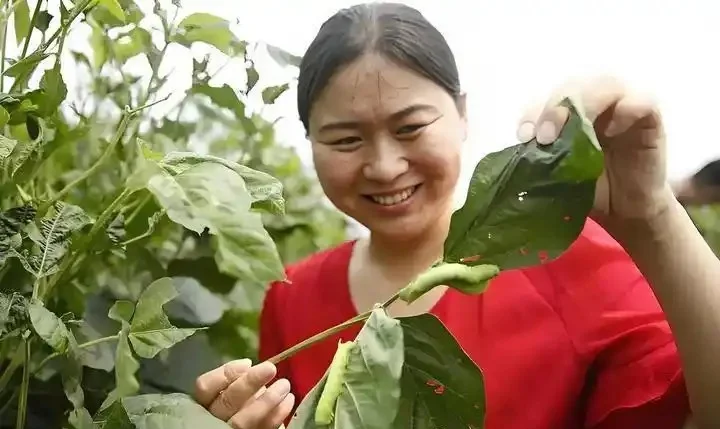
Soybean Green Worm: “Sky-high Price” of Unpopular Insects
Economic value ranking: 4
Market access threshold:
① No special breeding license is required, it belongs to a niche breeding category;
② The breeding site (soybean field) shall be far away from pesticide and fertilizer pollution sources to ensure that soybean seedlings are residue-free and pollution-free;
③ The seedlings shall be purchased from formal institutions to eliminate wild-caught insect sources (avoid carrying germs and parasites);
④ Sales need to connect with high-end catering or medicinal material markets. In some areas, product quality inspection certificates are required, and it is strictly prohibited to sell deteriorated and polluted soybean green worms;
⑤ It is necessary to understand the local regulations on insect breeding in advance to avoid ecological risks.
Investment: Seedlings + management fee per mu of soybean field is about 280 US dollars.
Income: The yield of fresh worms per mu is 300 jin, the purchase price is 70 US dollars per jin, the income is 21,000 US dollars, and the profit is 1,820 US dollars.
Advantages: Intercropping in soybean fields occupies no land, exclusively for high-end catering and medicinal material markets, with little competition.
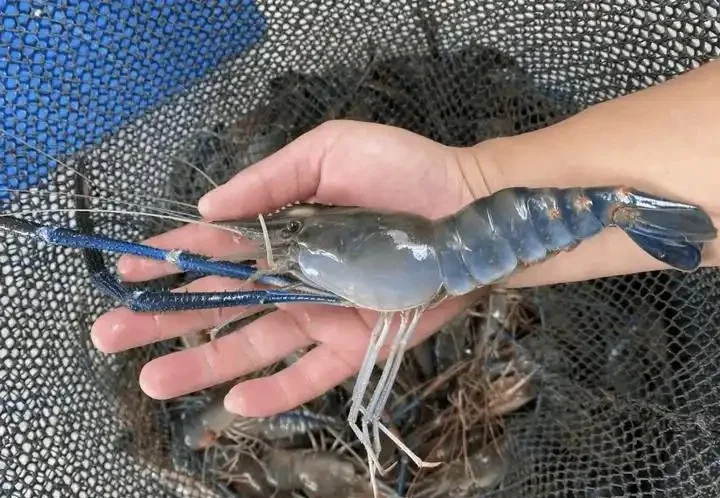
Giant Freshwater Prawn: “Blue Ocean” with Steady Profits
Economic value ranking: 3
Market access threshold:
① It is necessary to apply for the Aquaculture License, and large-scale farming needs to additionally apply for the Animal Health Certificate;
② The water quality of the breeding pond (or rice field) meets the aquaculture water quality standards, equipped with oxygenation and water exchange equipment. The rice-shrimp rotation mode shall comply with the relevant norms of the agricultural department;
③ The seedlings shall come from formal breeding bases, and the use of wild seedlings is prohibited;
④ Establish breeding ledgers, standardize the use of drugs, conduct quality testing before leaving the pond, and sell with qualified certificates. Novices need to learn polyculture technology in advance and file for record.
Investment: The rent per mu of pond + seedlings is about 2,100 US dollars, and the feed is 1,400 US dollars.
Income: The yield per mu is 800-1,000 jin, the pond price is 84 US dollars per jin, the annual profit exceeds 5.6 US dollars per jin, and the average profit per mu is more than 4,200 US dollars.
Advantages: Few diseases, flexible polyculture mode (such as rice-shrimp rotation), suitable for novices.
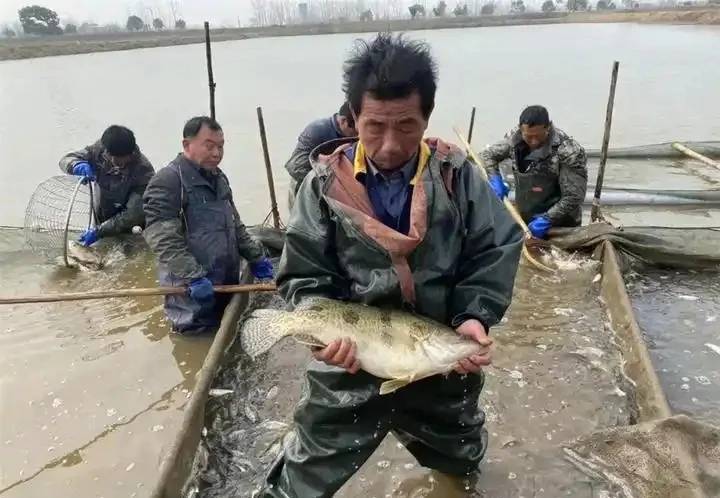
Feed Mandarin Fish: Low-cost Subversion of Tradition
Economic value ranking: 2
Market access threshold:
① It is necessary to apply for the Aquaculture License and Animal Health Certificate;
② The water quality of the breeding pond meets the aquaculture water quality standards, equipped with oxygenation and water quality testing equipment. The use of artificial compound feed for breeding shall comply with the relevant feed standards;
③ It is necessary to master feed feeding and disease prevention and control technologies. It is recommended that novices participate in technical training organized by the agricultural department;
④ Establish breeding ledgers, standardize the use of drugs, conduct quality testing before leaving the pond, and enter the market with qualified certificates. It is strictly prohibited to illegally use live bait instead of feed;
⑤ The seedlings shall come from formal breeding bases to eliminate disease-carrying seedlings.
Investment: Feed per mu + seedlings is about 4,200 US dollars.
Income: The yield per mu is 3,000 jin, the pond price is 28 US dollars per jin, the income is 8,400 US dollars, and the profit is 4,200 US dollars.
Advantages: Replace live fish feeding mode, reduce cost by 50%, suitable for large-scale farming.
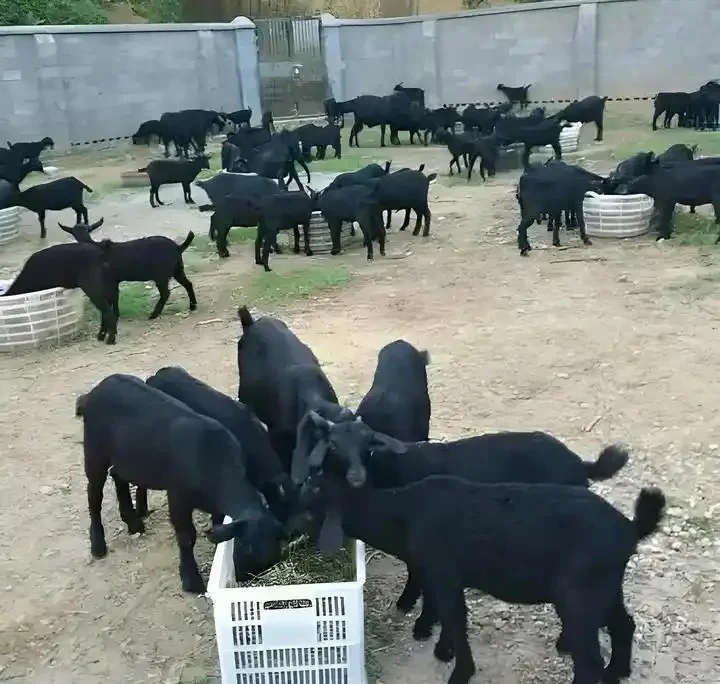
Black Goat: First Choice for Mountainous Areas to Get Rich
Economic value ranking: 1
Market access threshold:
① Large-scale farming (≥50 goats) needs to apply for the Animal Health Certificate, and free-range farming does not require special permission;
② The free-range site shall be a legal mountain slope, avoiding ecological protection red lines and basic farmland, far away from residential areas;
③ Breeding goats shall be purchased from formal breeding bases with quarantine certificates, and vaccinated regularly;
④ Equipped with feces harmless treatment facilities to avoid environmental pollution;
⑤ Slaughter and sales need to go through animal product quarantine certificates, standardized retention of breeding and epidemic prevention ledgers. In some areas, it is necessary to go through the relevant procedures for designated slaughter of cattle and sheep (if slaughtered by oneself).
Investment: Breeding goat 210 US dollars per head, forage cost 70 US dollars per head.
Income: Adult goat 80 jin, meat price 35 US dollars per jin, income per head 280 US dollars, profit 140 US dollars. Free-range 50 heads, annual profit more than 7,000 US dollars.
Advantages: Resistant to rough feeding, strong disease resistance, can be free-range in mountain slopes, high premium for ecological mutton.
Although the above farming makes money, behind huge profits, risks still exist! Technical threshold, market fluctuations, and disease prevention and control are indispensable. It is recommended that novices start with small-scale trial breeding, understand the rules before expanding. In 2026, can these projects help you counterattack? The answer lies in your actions!
Frequently Asked Questions
Q: Which farming project has the highest economic value ranking in 2026, and what is its profit margin?
A: The Japanese Prawn has the highest economic value ranking (ranking 10). For high-salinity seawater farming, the annual profit per mu can reach 14,000-28,000 US dollars, which is 8 times that of ordinary prawns.
Q: Do I need a breeding license to farm Golden Cicadas?
A: No breeding license is required for Golden Cicada farming. The core is to obtain the right to use forest land (leased or owned) and sign a legal forest land lease contract. If leasing collective forest land, it needs to be approved by the collective organization. In some areas, it is necessary to file with the forestry department in advance.
Q: What is the investment cost per mu for Golden Cicada farming, and is feed needed?
A: The investment for Golden Cicada farming is about 700 US dollars per mu, including seedlings and forest land rent. No feed is required for the whole breeding process.
Q: Which farming project is suitable for novices, and what are its advantages?
A: Giant Freshwater Prawn is suitable for novices. Its advantages are few diseases, flexible polyculture mode (such as rice-shrimp rotation), and novices only need to learn polyculture technology in advance and file for record.
Q: What is the short-cycle farming project mentioned, and how long is its cycle?
A: Swamp Eel Farming and Meat Pigeon Farming are short-cycle projects. The cycle of Swamp Eel Farming is 6-8 months, and meat pigeon squabs can go to market in 25 days, with a pair of breeding pigeons producing 12-16 squabs per year.
Q: Do I need special permission for small-scale free-range Fragrant Pig farming?
A: No special permission is required for small-scale free-range Fragrant Pig farming. Only large-scale farming (≥30 breeding pigs) needs to apply for the Animal Health Certificate.
Q: What is the profit of a small farm raising 100 Fragrant Pigs annually?
A: The profit per adult Fragrant Pig is about 210 US dollars. A small farm raising 100 heads has an annual profit of more than 21,000 US dollars.
Q: What are the necessary certificates for Japanese Prawn farming involving export?
A: For Japanese Prawn farming involving export, it is necessary to apply for the Aquaculture License and Animal Health Certificate first, and then complete the corresponding food hygiene registration requirements of the exporting country (complying with local hygiene registration requirements when connecting with markets such as Japan and South Korea).
References
Aquaculture – This article provides a comprehensive overview of aquaculture, including its definition, development status, common breeding technologies, and relevant industry norms, which is applicable to the technical and normative reference of aquaculture projects such as Japanese Prawn and Golden Pompano.
Food and Agriculture Organization of the United Nations (FAO) – The website publishes the latest global aquaculture industry reports, breeding standards and food safety requirements, providing authoritative reference for the market access threshold and export-related regulations of aquaculture projects.
Pig Farming – This page details the classification, breeding techniques, hygiene and epidemic prevention requirements of pig farming, which can be used as a reference for the breeding specifications and certificate application of Fragrant Pig farming.
Forest Farming – This article introduces the connotation and mode of forest farming, including the selection of forest land, intercropping technology and ecological protection requirements, which provides a reference for the site selection and ecological norms of Golden Cicada farming.