

1. Chinchilla
Due to its cute appearance, gentle temperament a
nd relatively small quantity, the market price is high. Especially chinchillas with rare fur colors or good appearance can be sold for thousands of yuan or even higher.
- Low-cost highlights: The investment for a single basic breeding chinchilla (ordinary appearance) is about 110-210 US dollars, the feeding cost is low, only 7-11 US dollars per month (main feed, bedding materials), no large breeding space is needed, and it can be raised in a single cage.
- Input-output ratio: The annual investment for a single group (1 male and 1 female) is about 270-410 US dollars. It can reproduce 2-3 litters per year, with 1-3 babies per litter. The selling price of ordinary appearance baby chinchillas is 41-110 US dollars, and rare fur colors can reach 210-690 US dollars. The annual net profit is about 410-2080 US dollars, and the input-output ratio is about 1:1.5-5.
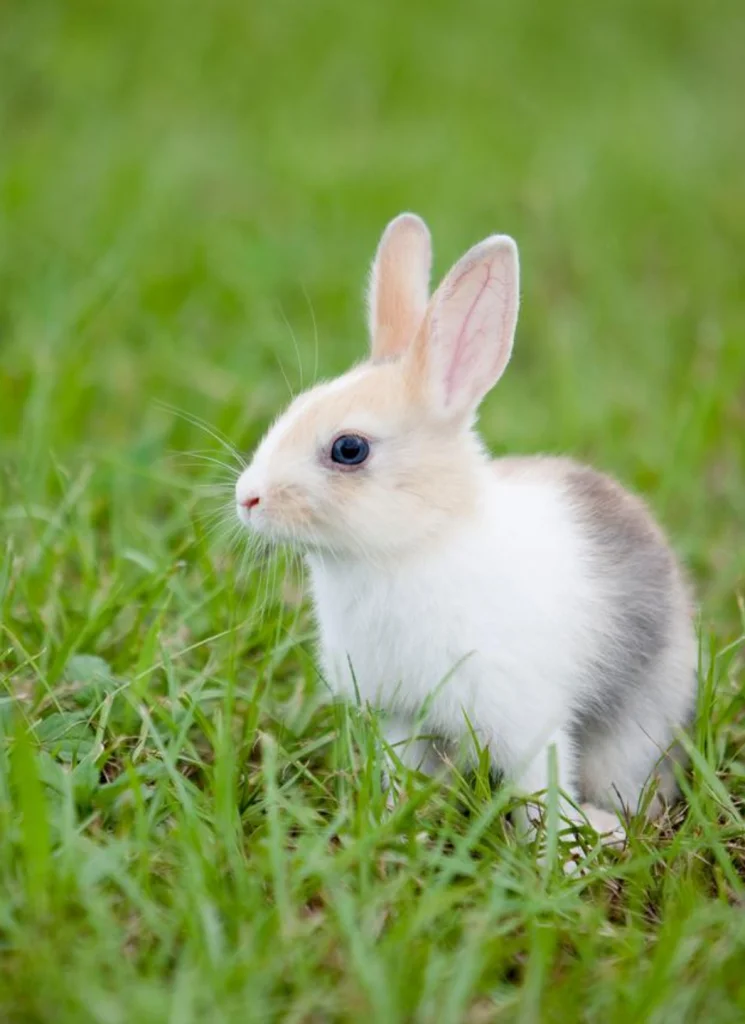
2. Pet rabbit
Such as lop-eared rabbits, dwarf rabbits and other breeds. They are cute in appearance and deeply loved. The price varies greatly due to breeds, bloodlines and other factors, and some high-quality pet rabbits are sold at high prices.
- Low-cost highlights: The investment for a single basic breeding rabbit (ordinary breed) is 27-69 US dollars, the feeding cost is extremely low, 4-8 US dollars per month (forage, rabbit feed), low breeding difficulty, fast reproduction speed, suitable for large-scale breeding.
- Input-output ratio: The annual investment for a single group (1 male and 2 females) is about 140-210 US dollars. It can reproduce 4-6 litters per year, with 4-8 babies per litter. The selling price of ordinary pet rabbits is 11-28 US dollars, and high-quality breeds can reach 41-110 US dollars. The annual net profit is about 270-1110 US dollars, and the input-output ratio is about 1:2-5.5.
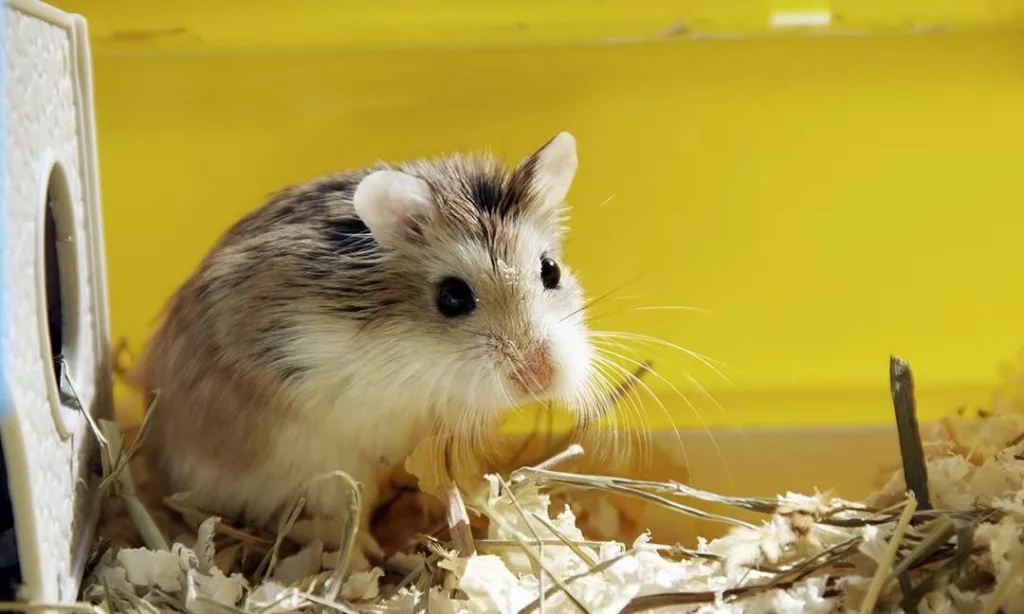
3. Hamster
Although the price of hamsters is generally not particularly high, the price of some rare breeds or hamsters with unique fur colors is much higher than that of ordinary hamsters. Moreover, hamsters have strong reproductive capacity and relatively low cost.
- Low-cost highlights: The investment for a single basic breeding hamster (ordinary breed) is 1-4 US dollars, and rare breed breeding hamsters are about 7-14 US dollars. The feeding cost is extremely low, 1-2 US dollars per month (hamster feed, bedding materials). Multiple hamsters can be raised in a single cage (cage-separated breeding), occupying very little space.
- Input-output ratio: The annual investment for a single group (1 male and 1 female) is about 14-28 US dollars. It can reproduce 8-12 litters per year, with 5-10 babies per litter. The selling price of ordinary hamsters is 1-4 US dollars, and rare breeds can reach 7-28 US dollars. The annual net profit is about 70-420 US dollars, and the input-output ratio is about 1:5-15 (higher income for rare breeds).
4. Guinea pig
Also known as cavy, they are small and cute. Some special breeds or fur-colored guinea pigs have high market prices and low feeding costs.
- Low-cost highlights: The investment for a single basic breeding guinea pig (ordinary breed) is 14-41 US dollars, the feeding cost is 5-9 US dollars per month (forage, main feed), strong adaptability, not easy to get sick, moderate reproduction speed, no complex breeding equipment needed.
- Input-output ratio: The annual investment for a single group (1 male and 2 females) is about 160-250 US dollars. It can reproduce 3-5 litters per year, with 2-4 babies per litter. The selling price of ordinary guinea pigs is 11-28 US dollars, and special fur colors can reach 41-83 US dollars. The annual net profit is about 210-830 US dollars, and the input-output ratio is about 1:1.25-3.3.
5. Alpaca
Alpacas have become increasingly popular as pets in recent years, and their prices are usually high. Especially alpacas with good appearance and pure fur color may cost tens of thousands of yuan.
- Low-cost highlights: The investment for a basic breeding alpaca (ordinary appearance) is about 1390-4170 US dollars (the single cost can be reduced in large-scale breeding), the feeding cost is 28-55 US dollars per month (forage, deworming), strong adaptability, few diseases, one-time investment for long-term reproduction income.
- Input-output ratio: The annual investment for a single female alpaca is about 410-690 US dollars. It can reproduce 1 litter per year. The selling price of ordinary appearance baby alpacas is 2780-6950 US dollars, and high-quality appearance can reach 11120-27800 US dollars. The annual net profit is about 2080-27100 US dollars, and the input-output ratio is about 1:3-6.5 (high initial investment, considerable long-term income).
6. Parrots
Including macaws, cockatoos, lovebirds, budgerigars, etc. Some parrot species are expensive due to their beautiful appearance, smart brains and strong language ability, especially some rare parrot species.
- Low-cost highlights: The investment for a single basic breeding bird (ordinary breed, such as budgerigar, lovebird) is 7-28 US dollars, the feeding cost is 4-11 US dollars per month (bird feed, health sand), low reproduction difficulty, some breeds can reproduce multiple litters per year, no large breeding site needed.
- Input-output ratio: The annual investment for a single group (1 male and 1 female, ordinary breed) is about 70-140 US dollars. It can reproduce 3-6 litters per year, with 2-5 babies per litter. The selling price of ordinary parrots is 7-28 US dollars, and rare species (within the scope of laws and regulations) can reach 140-690 US dollars. The annual net profit is about 140-2780 US dollars, and the input-output ratio is about 1:2-20 (variety difference has a great impact).
7. Tropical fish
Some rare species of tropical fish, such as some colorful and uniquely shaped ornamental fish, have high prices. Moreover, the breeding cost of tropical fish is relatively low, and once the reproduction is successful, the profit is considerable.
- Low-cost highlights: The investment for a single pair of basic breeding fish (ordinary breed) is 7-28 US dollars, and rare breed breeding fish is about 41-139 US dollars. The feeding cost is 7-21 US dollars per month (fish tank electricity fee, feed, water quality regulator). Large-scale breeding can share equipment to reduce the cost per tank.
- Input-output ratio: The annual investment for a single tank (ordinary breed) is about 110-280 US dollars. It can reproduce multiple batches per year, with dozens to hundreds of juvenile fish per batch. The selling price of ordinary tropical fish is 1-3 US dollars, and rare breeds can reach 7-69 US dollars. The annual net profit is about 140-1390 US dollars, and the input-output ratio is about 1:1.25-5.
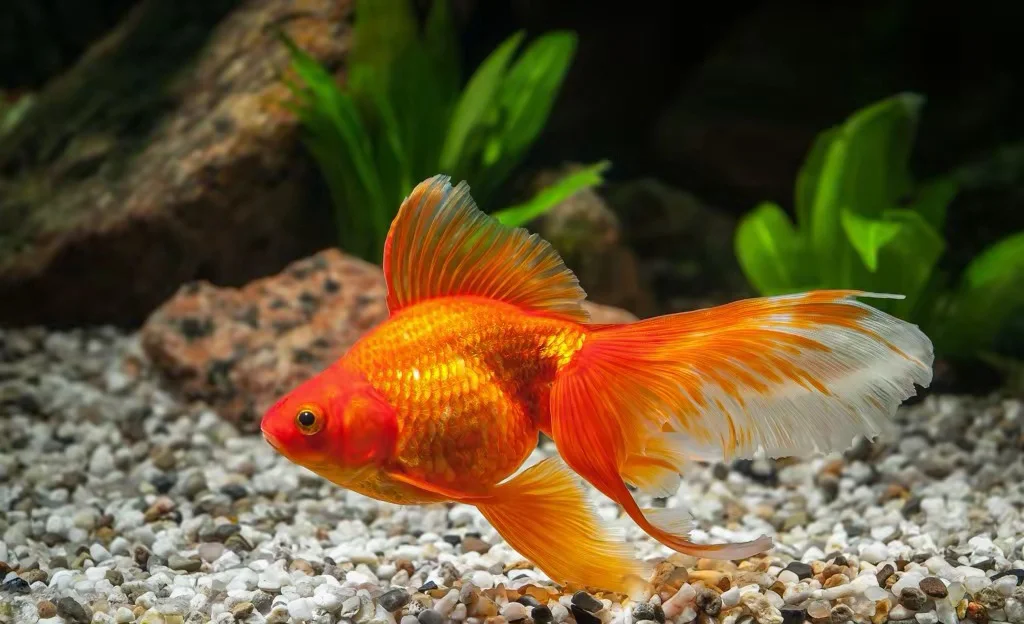
8. Goldfish
Some precious varieties of goldfish, such as Ranchu, Butterfly Tail, etc., are expensive with good appearance. Moreover, the reproduction of goldfish is relatively easy, and high profits can be obtained through reproduction.
- Low-cost highlights: The investment for a single pair of basic breeding fish (ordinary breed) is 4-14 US dollars, and precious breed breeding fish is about 28-111 US dollars. The feeding cost is extremely low, 3-7 US dollars per month (fish feed, water change equipment), low reproduction difficulty, suitable for large-scale breeding, fish tanks can be reused.
- Input-output ratio: The annual investment for a single tank (ordinary breed) is about 70-140 US dollars. It can reproduce 2-4 batches per year, with dozens to hundreds of juvenile fish per batch. The selling price of ordinary goldfish is 0.5-2 US dollars, and precious breeds can reach 7-69 US dollars. The annual net profit is about 110-1110 US dollars, and the input-output ratio is about 1:1.6-8.
9. Koi
High-quality koi is expensive, especially those with special patterns and beautiful body shapes, which are highly sought after in the market and are one of the representatives of high-profit pets.
- Low-cost highlights: The investment for a single basic breeding fish (ordinary appearance) is 14-69 US dollars, and high-quality breeding fish is about 139-695 US dollars. The feeding cost is 14-28 US dollars per month (feed, filtering equipment), moderate growth speed, low difficulty in appearance cultivation, significant income in large-scale breeding.
- Input-output ratio: The annual investment for a single pond (10-20 basic breeding fish) is about 280-550 US dollars. It can reproduce 1-2 batches per year. The selling price of high-quality juvenile fish is 7-69 US dollars, and high-quality koi can reach 139-1390 US dollars. The annual net profit is about 410-6950 US dollars, and the input-output ratio is about 1:1.5-12.5.
10. Arowana
Arowana has become a noble among ornamental fish with its domineering appearance and bright colors. The price is usually high, especially varieties such as golden arowana and red arowana. High-quality individuals can cost tens of thousands of yuan or even higher.
- Low-cost highlights: The investment for a single basic breeding fish (ordinary appearance) is 69-278 US dollars, and high-quality breeding fish is about 695-2780 US dollars. The feeding cost is 21-42 US dollars per month (special feed, constant temperature equipment), high survival rate, long-term sale after one breeding, no frequent replenishment of breeding fish needed.
- Input-output ratio: The annual investment for a single tank (1 basic breeding fish) is about 280-550 US dollars. Juvenile fish can be sold after 6-12 months of cultivation. The selling price of ordinary arowana is 139-695 US dollars, and high-quality varieties can reach 1390-6950 US dollars. The annual net profit is about 1110-6390 US dollars, and the input-output ratio is about 1:4-11.5.
It should be noted that the pet market price fluctuates greatly, and the prices of pets in different regions and with different qualities will also vary. The above input-output ratios are all market average levels for reference only. At the same time, when choosing to breed pets for commercial operation, you should fully understand the relevant laws, regulations and market demand to ensure legal and compliant operation (especially some species such as parrots and arowanas are protected and relevant procedures need to be handled). In addition, no matter what purpose you keep pets for, you should give them enough care and attention, raise them reasonably, balance income and animal welfare.
Frequently Asked Questions
Q: What factors affect the market price of pet chinchillas?
A: The market price of chinchillas is affected by their appearance, temperament and quantity. Especially chinchillas with rare fur colors or good appearance can be sold for thousands of yuan or even higher.
Q: What is the monthly feeding cost of a basic breeding pet rabbit (ordinary breed)?
A: The monthly feeding cost of a basic breeding pet rabbit (ordinary breed) is 4-8 US dollars, mainly for forage and rabbit feed.
Q: How many litters can a pair of basic breeding hamsters reproduce per year?
A: A single group (1 male and 1 female) of basic breeding hamsters can reproduce 8-12 litters per year, with 5-10 babies per litter.
Q: What are the advantages of breeding guinea pigs?
A: Guinea pigs have strong adaptability, are not easy to get sick, have a moderate reproduction speed, and do not need complex breeding equipment. Their feeding cost is also low, about 5-9 US dollars per month.
Q: Why is the initial investment for alpaca breeding relatively high?
A: The investment for a basic breeding alpaca (ordinary appearance) is about 1390-4170 US dollars, which is relatively high, but the single cost can be reduced in large-scale breeding, and it can bring long-term reproduction income with one-time investment.
Q: What should be paid attention to when breeding parrots for commercial operation?
A: Some parrot species are protected animals, so when breeding parrots for commercial operation, relevant laws and regulations should be fully understood, and relevant procedures should be handled to ensure legal and compliant operation.
Q: How can the cost of tropical fish breeding be reduced?
A: Large-scale breeding of tropical fish can share equipment to reduce the cost per tank, thus reducing the overall breeding cost.
Q: What is the annual input-output ratio range of koi breeding?
A: The annual input-output ratio of koi breeding is about 1:1.5-12.5, and the annual net profit can reach 410-6950 US dollars.
Q: How long does it take for juvenile arowanas to be sold after cultivation?
A: Juvenile arowanas can be sold after 6-12 months of cultivation.
Q: Are the input-output ratios provided in the text fixed?
A: No. The pet market price fluctuates greatly, and the prices of pets in different regions and with different qualities will also vary. The input-output ratios provided are all market average levels for reference only.
References
Wikipedia – This article provides an overview of the global pet industry, including market trends, breeding practices, and key factors affecting pet pricing. It covers the general operation norms of commercial pet breeding and the basic characteristics of the pet market, which is applicable to the overall background of pet breeding introduced in the original text.
American Pet Products Association (APPA) – This authoritative platform releases the latest global pet industry trends and statistics, including pet market scale, expenditure distribution and live animal breeding-related data, which supports the rationality of pet pricing and input-output ratio mentioned in the original text.
European Commission Directorate-General for Health and Food Safety – It provides guidelines for responsible pet breeding, focusing on animal welfare, breeding norms and trade regulations, which is consistent with the legal compliance and animal care precautions in the original text.
Perfect Pets – As an authoritative ethical pet directory, it focuses on connecting responsible breeders and popularizing ethical breeding knowledge, covering breeding verification standards and animal welfare protection, which provides support for the standardized breeding content in the original text.
Animal Legal & Historical Center – This platform affiliated to Michigan State University comprehensively discusses the commercial pet breeding industry, including market forms, relevant laws and regulations, which is highly consistent with the commercial breeding operation and legal norms mentioned in the original text.