Now more and more people keep pets. Ms. Thompson in New York keeps a lovely Maltese dog for company.
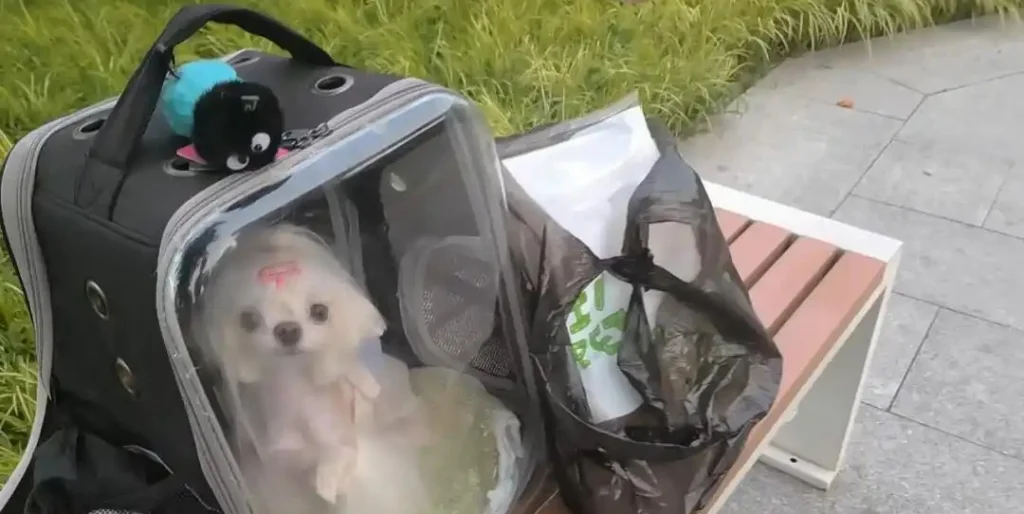
Out of affection, Ms. Thompson came up with the idea of raising another dog, so she thought of an economical way ↓↓↓
breeding
Then Ms. Thompson found a pet company through an online platform and paid 900 US dollars for artificial insemination for her dog.
However, the breeding process did not go smoothly ↓↓↓
Not only did the breeding fail, but the dog also became seriously ill and almost died.
The woman sued the pet shop in court.
So Ms. Thompson sued the pet shop, asking to terminate the breeding contract, and refund and compensate 900 US dollars for the breeding fee and medical expenses.
In court, Ms. Thompson presented daily videos sent by the pet shop owner, claiming that the puppy fell ill during breeding due to improper care by the pet shop.
The staff not only failed to replace the leftover dog food in time, but even covered the leftover dog food from the previous day with a wet pet can, causing the dog food to spoil and triggering severe diarrhea in her dog.
The pet shop did not agree with Ms. Thompson’s statement ↓↓↓
The pet shop stated that the cans were freshly opened, and they provided breeding services rather than foster care services, so they had no obligation to take care of the puppy, and they had fulfilled their basic obligations.
Meanwhile, regarding the claim for refund of the breeding fee and medical expenses, the pet shop also stated that the company never guaranteed successful breeding, and it was clearly stated in the breeding notice that there would be two breeding attempts; if the first breeding failed (empty pregnancy), a free second breeding would be provided next time.
Ms. Thompson stated in court that after the breeding failed and the dog fell ill, she indeed refused a second free breeding for an important reason ↓↓↓
The pet shop had no qualifications.
Ms. Thompson said that the pet shop’s business license was only issued 10 days after the breeding failed, which meant that when providing breeding services for Ms. Thompson’s dog, the company had not yet been established, had no relevant qualifications, did not even have a qualified veterinarian, only the owner who claimed to be a nurse.
So do pet breeding services require relevant qualifications? What are the legal provisions?
John Miller, council member of a district in New York State and vice president of the American Pet Industry Association, said that there are currently no clear legal provisions for individual pet breeding and reproduction by pet shops and pet hospitals in cities.
However, those engaged in large-scale pet breeding and kennels must go through relevant procedures.
According to the relevant provisions of the Animal Welfare Act of the United States, anyone who operates an animal farm must apply to the agricultural and rural authorities of the local people’s government at or above the county level for a breeding license, and also needs an animal epidemic prevention certificate.
The court’s verdict
Finally, after hearing the case, the judge held that although the plaintiff Ms. Thompson did not have the right to terminate the contract, the subject matter of the contract was breeding a pet dog, which had special personal attributes. Now the two parties no longer have the trust foundation for continued performance.
The court finally ruled that the breeding contract should not be compulsorily performed, and the defendant pet shop must refund 750 US dollars of the breeding fee.
At the same time, the court held that the pet shop did fail to take proper care of the puppy, which constituted a breach of the collateral contractual obligation to take care of the plaintiff’s puppy, and shall bear the medical expenses of 106 US dollars for treating the puppy.
How to avoid pitfalls? Tips from industry insiders
So faced with numerous pet shops, pet hospitals and breeding advertisements posted by individuals on online platforms, how can pet owners choose a reliable breeding institution to avoid pitfalls?
Industry insiders remind that cage facilities in the breeding environment directly reflect the professionalism of the breeder and are one of the core indicators to judge whether a breeding institution is reliable.
Specific identification techniques and recommended inquiry words are as follows:
I. Cage Facility Identification Tips
- Check cage size:A cage for a single pet must meet the requirements of “being able to turn around, stand, lie down and stretch freely”.For small dogs (such as Maltese, Teddy), the side length of the cage shall not be less than 80cm; for medium-sized dogs, not less than 120cm.The use of crowded and narrow cages is prohibited (easy to cause stress and injury to pets);
- Check cage material and hygiene:Give priority to non-toxic and odorless materials such as stainless steel and anti-corrosion wood, and avoid sharp edges (to prevent scratching pets);The bottom of the cage must be paved with soft and dry padding (towels, special pet pads are acceptable), and the padding is free of stains, odors and caking, with obvious signs of daily replacement;
- Check cage layout and ventilation:Cages shall be placed separately to avoid intensive stacking of multiple pets;The placement area shall be well-ventilated, free from stuffiness, humidity and pungent odors (ammonia, mildew), and away from pollution sources (such as dog food residue stacking areas, cleaning tool areas);
- Check supporting facilities:Independent food bowls and water basins shall be equipped outside the cage, and the food bowls and water basins shall be free of dirt and residual food;There shall be a special excretion area separated from the eating and resting areas, with timely cleaning and no feces accumulation;The special breeding area shall be set separately, the cage shall be disinfected in advance, and disinfection records shall be available for inspection.
II. Recommended Inquiry Words (Accurately verify cages and breeding environment, keep communication records)
- What is the size of the cage used to house pets during breeding? Are single pets kept separately or mixed with multiple pets?
- How often is the cage padding replaced? How is the daily cleaning and disinfection done? Can you provide recent cage cleaning and disinfection records?
- How is the ventilation of the area where the cages are placed? Will it be stuffy and humid? Are the pet’s eating, excretion and resting areas separated?
- Will the pet’s cage be disinfected separately before and after breeding? What disinfection products are used (must meet pet safety standards)?
- Can I check the cages and breeding environment for pet breeding and placement on site? Can I take clear photos/videos of cage details and layout for retention?
Industry insiders in the pet industry suggest that if it is natural mating for pets, when choosing a stud dog, you need to check the immunization certificate to ensure there are no infectious or genetic diseases.
If natural mating is not feasible, you can go to a professional pet hospital and ask a practicing doctor to perform breeding through artificial insemination.
A formal and professional pet hospital must have at least three practicing veterinarians with American veterinary qualification certificates.
Qualified pet breeding institutions will display the qualifications of professionals for verification.
Industry insiders remind
↓↓↓
When breeding pets, pet owners should not only find professional breeding institutions, but also sign a written agreement with the breeding institution, specifying the responsibilities during breeding and foster care, ensuring the health and safety of pets, as well as the number of breedings, fees and risk liabilities, so as to reduce the uncertainty caused by oral agreements and avoid unnecessary disputes in the future.
Frequently Asked Questions
Q: How much did Ms. Thompson pay for her dog’s artificial insemination service?
A: She paid 900 US dollars for the artificial insemination service through an online platform.
Q: Why did Ms. Thompson’s dog become seriously ill during the breeding process?
A: The pet shop staff failed to replace the leftover dog food in time and even covered the leftover dog food from the previous day with a wet pet can, leading to spoiled dog food which caused severe diarrhea in the dog.
Q: What reason did Ms. Thompson give for refusing the free supplementary breeding offered by the pet shop?
A: She refused because the pet shop had no relevant qualifications at the time of providing the breeding service—it had not yet been established, had no qualified veterinarians, and only the owner who claimed to be a nurse.
Q: Does the law clearly regulate individual pet breeding services provided by pet shops in cities?
A: No, John Miller, council member of a district in New York State and vice president of the American Pet Industry Association, stated that there are currently no clear legal provisions for individual pet breeding and reproduction by pet shops and pet hospitals in cities.
Q: What was the court’s ruling on the breeding fee refund?
A: The court ruled that the pet shop must refund 750 US dollars of the breeding fee to Ms. Thompson.
Q: Did the pet shop have to bear the dog’s medical expenses? If so, how much?
A: Yes, the court held that the pet shop failed to take proper care of the puppy and had to bear 106 US dollars of the medical expenses for treating the dog.
Q: What is one core indicator to judge whether a pet breeding institution is reliable?
A: Cage facilities in the breeding environment, as they directly reflect the professionalism of the breeder.
Q: What size requirements are there for cages housing small dogs (such as Maltese) during breeding?
A: The side length of the cage shall not be less than 80cm, and it must allow the dog to turn around, stand, lie down and stretch freely.
References
Wikipedia – This page introduces the Animal Welfare Act of 1966 in the United States, including its core provisions on animal breeding and feeding. It specifies that operators of animal farms need to apply for breeding licenses and animal epidemic prevention certificates from relevant authorities, which is consistent with the legal provisions mentioned in the case.
National Agricultural Library (NAL) – This page details the Animal Welfare Act (AWA) of the United States, the only federal law regulating the treatment of animals in breeding, research, transport and other related fields. It specifies that commercial animal breeders must meet minimum care standards and obtain relevant licenses, which aligns with the legal provisions mentioned in the case regarding animal breeding qualifications and epidemic prevention requirements.
American Breeder – As a professional platform for pet breeders, its resource library provides guidelines and policy requirements for pet breeding services. It includes regulations on breeder qualifications, pet health verification, and breeding environment management, which complements the industry tips in the case about selecting reliable breeding institutions.
American Veterinary Medical Association (AVMA) – This page focuses on best practices for pet breeding, covering key aspects such as breeding animal health screening, genetic disease prevention, breeding environment maintenance, and postnatal care. It also provides professional guidance for pet owners to choose formal breeding services, which is consistent with the suggestions from industry insiders in the case.
Animal Legal & Historical Center – This page presents administrative regulations on commercial pet breeders in Oklahoma, USA, including specific requirements for pet food, housing facilities, hygiene and disinfection, and veterinary care. It provides legal and regulatory references for judging whether pet breeding institutions have fulfilled their care obligations, which is relevant to the court’s determination of the pet shop’s liability in the case.