
“I thought raising a hamster wouldn’t cost much, but over the course of a year, the cage, bedding, snacks, and medical expenses added up to more than what I spent on clothes!” Many pet owners have experienced this kind of “bill shock” – seemingly “low-cost” pets actually hide many “hidden expenses”, but the real “money swallowing beast” may be completely different from what you imagine.
Today, let’s take a look at the “expensive” rankings in the pet industry. From common cats and dogs to niche exotic pets, the cost of each “contestant” may overturn your perception, especially the first place, which 90% of people cannot guess! Take a look at your pet’s ranking and remind friends who are planning to adopt a pet: before adopting a pet, calculate this “long-term account” first.
Pet Industry’s “Expensive” Ranking List
From small expenses to large investments

5th place: Hamster/Golden Bear
Annual average cost: $70- $210
Many people consider hamsters as “entry-level pets” and think that “one cage and one handful of food can feed them”, but in reality, if you want hamsters to live comfortably and healthily, there are not many expenses:
Basic equipment: Novices may buy a basic cage for tens of dollars, but after living for a long time, you will find that hamsters need more space (cages over 60 cm, average price $30), running wheels (silent running wheels $7-15, to avoid hamster depression), shelter, food bowl, water kettle, at least $45 per set;
Daily consumption: bedding (changed weekly, $3 per pack, about $15 per year), grain (high-quality hamster grain $4 per month, $50 per year), snacks (freeze-dried, vegetable dried, $30 per year);
Health expenses: Although hamsters are small in size, the cost of treatment after illness is not cheap. For example, for diarrhea and skin diseases, a physical examination and treatment costs about $30-$70. If severe tumors or fractures are encountered, the cost may exceed $140.
Seemingly “cheap”, but upon closer calculation, the average annual cost easily exceeds $70. If you pursue the “hamster luxury package”, the cost will double.
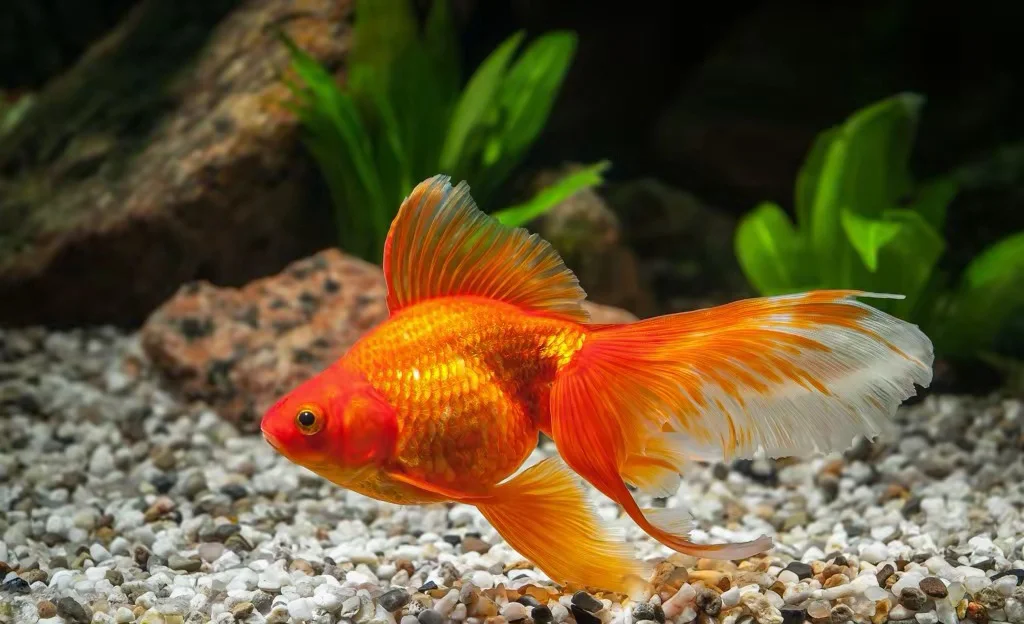
4th place: Goldfish/Tropical Fish
Annual average cost: $140- $420
“Isn’t fish farming just a fish tank and fish food?” This is a misconception among many people. The “pit” for fish farming mainly relies on equipment and maintenance, especially in order to raise an “air tank” (with clear water to the bottom), which requires considerable investment:
Fish tank equipment: The entry-level 30cm fish tank with filtering equipment costs about $45, but to keep tropical fish (such as traffic lights and parrot fish) well, you need a heating rod ($7), oxygen pump ($7), and water grass landscaping (water grass, bottom sand, lights, about $30). A set of medium configurations costs at least $85;
Daily maintenance: fish food (high-quality fish food costs $3 per month, $35 per year), water quality regulators (nitrifying bacteria, chlorine removal agents, $15 per year), filter material replacement (filter cotton, ceramic rings, $20 per year);
Fish Update: Novice fish farmers are prone to “dead fish” situations, especially tropical fish that are sensitive to water quality and temperature. Buying 10 fish at once may require replenishment several times within six months, and the fish itself costs about $45 per year; If the fish is sick (such as white spot disease, gill rot disease), medication+treatment is about $30 – $70.
Although it may seem “quiet and worry free”, the average annual cost of $140 for equipment and long-term maintenance is just the starting point. If you raise high-end ornamental fish (such as dragon fish and koi), the price of a single fish may be several hundred dollars, and the cost can directly go up to a higher level.

3rd place: Cat
Annual average cost: $420- $1100
Many people have experienced the cost of raising a cat, from daily necessities to medical expenses, every item is not cheap:
Basic supplies: litter box ($15, if automatic litter box is selected, directly $140- $420), litter box ($7 per month, $85 per year), cat food (high-quality cat food $30 per month, $350 per year), cat scratching board, toys ($45 per year);
Health expenses: vaccines (about $30 per year for booster shots), deworming (once a month for internal and external driving, $45 per year), physical examinations (once a year, about $70); If you get sick, such as gastroenteritis (treatment costs about $70), cat ringworm (medication bath+ointment costs about $45), severe kidney disease, or abdominal infection, the treatment cost may reach thousands of dollars;
Other expenses: Sterilization (approximately $70 for male cats and $110 for female cats), occasional foster care ($7-15 per day when going out), grooming ($15 per session for long haired cats).
The average annual cost for raising a regular cat is $420. However, if you choose to raise a breed of cat (such as a plush toy or a golden cat), not only will the purchase cost be high (several hundred to thousands of dollars), but the subsequent medical expenses may also be higher (breed cats have a relatively sensitive physique).

2nd place: Dog
Annual average cost: $560- $1400
Keeping a dog is more “expensive” than keeping a cat, especially for large dogs. Just “eating” can make many dog owners “sore”:
Dietary expenses: Small dogs (such as teddy bears and teddy bears) receive approximately $20 in dog food per month, or $260 per year; For medium-sized dogs (such as corgi and Samoye), the monthly dog food is about $40, and the annual dog food is $520; Large dogs (such as Golden Retrievers and Alaskans) receive approximately $70 in dog food per month, or $840 per year; It also needs to be paired with snacks and calcium tablets, with an additional $70 per year;
Health expenses: Similar to cats, vaccines, deworming, and physical examinations cost about $140 per year; Dogs have a high level of physical activity and are prone to injuries (such as fractures, which cost about $700 for treatment). Elderly dogs may also suffer from arthritis and heart disease, with monthly medication costs of nearly $100;
Other expenses: Sterilization (sterilization fee for large dogs is about $140), grooming (once a month, $7 for small dogs and $20 for large dogs, approximately $100 and $260 respectively per year), foster care ($15- $20 per day for large dogs), dog walking equipment (leash, chest and back, $45 per year).
Keeping a large dog can easily cost over $1100 per year. If the dog is mischievous and breaks the sofa or shoes, it will also have to bear additional “furniture repair costs”, making it a “mobile cash shredder”.

1st place: Alien pets (high-end species of reptiles/birds/rodents)
Annual average cost: $700- $2800
That’s right! The first place on the “expensive” ranking in the pet industry is actually a rare and obscure exotic pet that many people consider “niche”! For example, land turtles, parrots, and honey bag weasels can outperform cats and dogs in terms of their expenses due to their high equipment barriers and limited and expensive medical resources.
Taking land turtles as an example:
Equipment investment: feeding box (with temperature control, UVB light, one set costs about $280), padding material (special coconut soil, bark, about $70 per year), feeding basin, water basin (high-end material costs about $45);
Dietary expenses: Land turtles require specialized turtle food ($15 per month, $170 per year), fresh vegetables (about $1.5 per day, $520 per year), and some species also need to supplement calcium powder and vitamins, about $70 per year;
Medical expenses: Medical resources for turtles are scarce, and there are very few pet hospitals in the United States where turtles can be seen. A physical examination costs about $140, and if suffering from stones or respiratory diseases, the treatment cost may be as high as $1400- $2800, and the treatment period is long;
Purchase cost: Ordinary turtles (such as Herman turtles) cost about $420, while rare species (such as Sukada turtles) may cost thousands of dollars and require legal breeding procedures (document fee of about $140).
For example, large parrots (such as macaws) can cost thousands of dollars to purchase, requiring a large birdcage (about $700) and specialized feed (about $280 per year). Additionally, parrots have a long lifespan (up to several decades), and long-term expenses are bottomless.
Many people think that exotic pets are “easy to feed”, but in fact, they have not taken into account the “hidden costs” of equipment, diet, and medical care. Once they are raised, they realize that they are truly “gold swallowing beasts”.
1. Comparison Table of Annual Average Costs for Pets
| Rank | Pet Type | Annual Cost | Core Costs | Luxury Accessories / High-End Purchases |
|---|---|---|---|---|
| 5 | Hamster | $70–$210 | Cage, bedding, food | Acrylic cage, decorative platforms, ceramic hideouts |
| 4 | Tropical Fish | $140–$420 | Tank, filter, heater, aquascape | Smart tank, professional lighting, driftwood aquascape |
| 3 | Cat | $420–$1100 | Cat food, litter, vet care | Automatic litter box, smart feeder, pet necklaces |
| 2 | Dog | $560–$1400 | Dog food, grooming, vet, boarding | Designer harness, custom bed, GPS tracker |
| 1 | Exotic Pet | $700–$2800 | Heating, special food, rare vet | Custom enclosure, high-end UVB, smart environment control |
2. Deep analysis of hidden expenses
Fixed costs that cannot be seen
Equipment depreciation: cages, fish tanks, heating rods, filters, smart feeders, etc., may seem like a one-time investment, but in reality they need to be replaced every 1-3 years, which is a mandatory cup renewal cost.
Electricity/Water Charges: Heating fish tanks, pet incubators, cat water dispensers, air purifiers, with monthly electricity bills increasing by tens to hundreds of dollars, making it a stable expenditure throughout the year.
Sudden medical expenses (most easily underestimated)
Small pets are charged per visit for medical treatment, without medical insurance. It is common for a minor illness to cost tens of dollars and a major illness to cost hundreds of dollars.
There are very few specialized doctors for exotic pets, and the consultation fees, examination fees, and travel expenses are much higher than those for cats and dogs.
Luxury consumption brought about by the desire to upgrade
High priced pets usually come with luxurious accessories and high-end equipment:
Cats and dogs: customized collars, silver tags, intelligent positioning, leather seats, fully automatic toilets.
Pet: Solid wood feeding box, intelligent temperature control lamp, panoramic landscaping, specialized disinfection equipment.
Ornamental fish: Bottom filtration system, professional light group, natural sunken wood, imported filter material.
Many people double their pet raising budget, not because they have to spend it, but because once they fall into the trap, they want to give the best.
Conversion of “time cost”
Changing water, changing bedding, temperature control, walking dogs, cleaning, queuing for medical treatment.
Spending money when you don’t have time: foster care, home feeding, cleaning services, beauty care.
Sunken cost of abandonment/replacement
Fish must be bought again if they die, turtles cannot be cured if they are sick, hamsters have a short lifespan.
Every replacement incurs a new starting cost.
Pet ownership
After reading this ranking list, some people may say raising a pet is so expensive, it’s better not to raise it, but in fact, the cost of raising a pet largely depends on your choice:
If your budget is limited, you can choose “low-cost” pets such as hamsters and goldfish, take good care of them, and they can also bring you happiness;
If you want to raise cats and dogs, there is no need to pursue “imported food” or “internet famous toys”. As long as you ensure a healthy diet, regular check ups, and ordinary expenses, they can also live well;
If you want to adopt a different pet, you must do your homework in advance, understand the equipment, diet, and medical needs, and avoid abandoning it due to inability to afford the expenses after a momentary impulse.
The core of pet ownership is never how much money has been spent, but how much love and time has been invested. A healthy and happy pet will not stick to you just because you bought it affordable food, nor will it be unhappy because you didn’t buy a luxury cage. What they need is your companionship and careful care.
Quickly share this “cost ranking list+cost table+hidden expenses” with friends who are preparing to raise pets, and help them prepare a “budget plan” in advance, so that every intention of raising pets can become a long-term companion.
Frequently Asked Questions
Q: What is the annual cost range of keeping a hamster or golden hamster?
A: The annual cost of keeping a hamster or golden hamster is $70–$210. The core costs include a cage, bedding and food, and if you pursue a “luxury hamster set,” the cost will double.
Q: Why are tropical fish more expensive to keep than many people think?
A: Keeping tropical fish is not just about a tank and fish food. The main expenses lie in equipment (such as heaters, air pumps and aquascaping) and long-term maintenance (such as water conditioners and filter media replacement). The annual cost starts at $140, and the cost will be higher if high-end ornamental fish are kept.
Q: What is the difference in annual food costs between small, medium and large dogs?
A: For small dogs (such as Teddy and Bichon), the annual dog food cost is about $260; for medium dogs (such as Corgi and Samoyed), it is about $520 per year; for large dogs (such as Golden Retriever and Alaskan Malamute), it is about $840 per year, plus an additional $70 per year for treats and calcium supplements.
Q: Why are exotic pets the most expensive to keep among all pets?
A: Exotic pets (such as tortoises, parrots and sugar gliders) are the most expensive because of their high equipment thresholds (such as thermostats and UVB lights) and scarce and expensive medical resources. Their annual cost ranges from $700 to $2800, and the purchase cost of rare species and legal breeding procedures also increase the total expenditure.
Q: What are the main hidden costs of keeping pets?
A: The main hidden costs of keeping pets include equipment depreciation (replacement every 1–3 years), additional electricity and water fees, unexpected medical expenses, luxury consumption driven by the desire to upgrade, time cost conversion (such as boarding and pet sitting) and sunk costs from rehoming or replacement.
References
Wikipedia – The section on pet ownership costs in this entry summarizes the economic burden of keeping different types of pets, including basic living expenses, medical care and hidden costs, providing a general theoretical basis for the pet cost ranking in the original text.
Fur-tales – This guide breaks down all aspects of pet-related expenses, including initial costs, recurring monthly expenses, and hidden costs for cats, dogs, birds, and other pets, with specific cost ranges that verify the expenditure data in the original text.
Reptile Direct – As an authoritative resource on reptile care, this website provides detailed guides on habitat setup, nutrition, and health care for reptiles (a type of exotic pet), offering reliable references for the cost analysis of exotic pets in the original text.
BritExotics UK – This trusted platform offers comprehensive care guides and cost breakdowns for exotic pets (including reptiles and birds), covering enclosure equipment, daily maintenance, and veterinary care costs, which supplements the exotic pet cost content in the original text.