
Keeping a single dog may lead to loneliness; keeping two dogs has both advantages and disadvantages.

The decision to keep two dogs should be based on comprehensive consideration of various factors. The core focus is to assess the dog’s social needs, the owner’s care ability, and environmental adaptability. Meanwhile, psychological comfort (for both the dog and the owner) is often reflected in the details of getting along. The dog’s social satisfaction directly affects its emotional state and quality of life.
Details are as follows:
Signs that a single dog may be lonely (including signals of lacking social needs)
When there is only one dog at home, or family members are busy with their own affairs and have no time to accompany it, the dog may lie by the window bored, watching people coming and going outside, and at this time, you can obviously feel its loneliness. The essence behind this is that the dog’s social needs are not met.
In addition, the following signals may appear: frequent barking when alone, chewing furniture (excessive destructive behavior), loss of appetite or lethargy, and even anxiety behaviors such as licking its own fur until hair loss; excessive clinginess when interacting with people, restlessness when the owner is out of sight. These are typical manifestations of lacking social needs and insufficient psychological comfort, which may affect the dog’s physical and mental health in the long run.
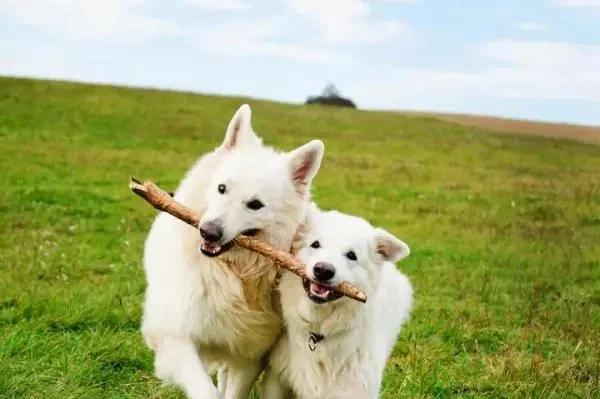
Advantages of keeping two dogs (including the advantage of meeting social needs)
Dogs are not lonely with companions
When no one is at home, two dogs can accompany each other. Whether sleeping or in a daze, they know there is a companion around, so they will not feel so lonely, and it can also effectively prevent dogs from developing separation anxiety. This is the most direct way to meet the dog’s social needs. Companionship of the same kind can give dogs a sense of security, reduce anxiety when alone, improve their psychological comfort, and avoid negative behaviors caused by long-term lack of social interaction.
Bring more happiness
One dog can bring a lot of joy to the family, and two dogs can double the happiness. Their interactions will make life full of fun. At the same time, keeping two dogs can better cultivate people’s sense of responsibility and patience. For the owner, watching the dogs accompany and play happily with each other can also relieve their own pressure. Meanwhile, in the process of taking care of two dogs, they gradually learn to balance attention, which indirectly improves the psychological compatibility between themselves and the dogs.
Disadvantages of keeping two dogs (including hidden dangers of social conflicts)
Fighting for favor
If the owner does not handle the relationship between the two dogs well, they may think that the other is competing for the owner’s favor, so they often fight and are difficult to get along friendly. This is the core problem of failed social adaptation between two dogs. It will not only make the dogs fall into tense and fearful emotions, reduce their psychological comfort, but also cause the dogs to be injured, bringing extra trouble to the owner.
Double care work
If both dogs are breeds with thick hair and heavy shedding, the workload of grooming, cleaning fallen hair and bathing them will be very large, requiring the owner to invest more time and patience. The doubled care work may make the owner feel tired. If the energy is insufficient, the owner will ignore the companionship and social guidance for the dogs, which will further affect the dogs’ emotional state.
Double poop-scooping workload
Keeping two dogs will double the workload of scooping poop, and the odor will be heavier. The owner not only needs to clean up the excrement at home, but also the feces they excrete outside. The tedious cleaning work will increase the owner’s burden. If living in a messy and smelly environment for a long time, the psychological comfort of both the owner and the dogs will be affected.
More terrifying destructive power
If the original dog does not destroy the house but the new member does, there is a 50% possibility that the new member will lead the original dog astray; if the original dog destroys the house but the new member does not, the possibility of the new member being led astray is as high as 80%; if both destroy the house, the destructive power will be stronger; only if neither destroys the house, the owner does not need to worry about this problem. Behind this destructive power is often the dog’s excess energy, improper social interaction (such as destroying the house to attract attention), and also the manifestation of insufficient psychological comfort and inability to release emotions reasonably.
Aspects to consider when keeping two dogs (including social needs assessment + corresponding solutions)
I. Social needs and adaptability assessment
- Social personality of the original dog: Assess whether the original dog is willing to get along with the same kind. If the original dog is withdrawn, timid and does not like to be disturbed by other dogs, forcibly introducing a new member will aggravate its anxiety and lead to social conflicts; if the original dog is lively and likes to interact, the probability of adapting to a new member is higher.
- Social status of the new member: Assess whether the new member has good social habits and whether there is aggressiveness. The combination of puppies and adult dogs, male dogs and female dogs also has different social adaptability (e.g., lively and active puppies may disturb adult dogs’ rest; unneutered male dogs are prone to conflicts due to territory and fighting for favor).
- Owner’s social guidance ability: Assess whether you have time and patience to guide the two dogs to establish a good social relationship, resolve conflicts between them in a timely manner, and prevent social conflicts from escalating.
II. Core solutions (including social guidance + psychological comfort guarantee)
Physical examination and temporary isolation
Before the new member moves in, it is better to take it for a physical examination to ensure there are no infectious diseases. After arriving home, temporarily isolate the two dogs first, let them get familiar with and contact each other slowly (such as looking at each other through the fence, smelling each other’s scent), avoid rejection and attack caused by sudden contact, give the two dogs enough adaptation time, protect their sense of security, and improve the psychological comfort of initial getting along. During the isolation period, the owner can accompany the two dogs separately to avoid one feeling neglected.
Be fair and guide positive social interaction
The owner should not pay too much attention to the new member to avoid hostility from the original dog. When interacting and feeding snacks at ordinary times, try to be fair so that every dog can feel the owner’s love. For example, you can choose freeze-dried egg yolk granules as snacks, cut into granules for convenient rewards, and it is good for the dog’s hair; when interacting, you can guide the two dogs to play with toys together (such as tug-of-war ropes, balls), cultivate their sense of cooperation, promote positive social interaction, and let them get happiness in the interaction to improve psychological comfort; when the two dogs get along friendly, give rewards in time to strengthen positive behaviors; if there is fighting for favor or scuffling, stop and guide gently in time to avoid conflict escalation.
Cope with doubled expenses and workload, and ensure the quality of getting along
Keeping two dogs will double the expenses of vaccinations, deworming drugs, snacks, dog food, etc., and the activity space they need will also increase. The owner should ensure their health, choose high-quality dog food, such as dog food tested by multiple safety agencies, high meat content, scientific formula and balanced nutrition, to avoid problems caused by long-term feeding of inferior dog food; reasonably allocate time, balance care work and companionship interaction, you can make a fixed schedule for care, dog walking and interaction, which not only ensures the dog’s health and hygiene, but also meets their social needs and companionship needs, avoiding neglecting the dogs due to excessive workload and affecting each other’s psychological comfort; if energy is insufficient, you can properly use pet care tools (such as automatic groomers, automatic feeders) to reduce the burden and reserve more time to accompany the dogs for interactive socialization.
Targeted resolution of social conflicts
If two dogs fight for favor, isolate them temporarily, and then gradually guide contact after both sides are emotionally stable; if there is a size difference, prevent large dogs from bullying small dogs, and the owner needs to intervene and protect in time; for destructive behaviors such as destroying the house caused by excess energy and improper socialization, you can increase the duration of dog walking to let the dogs release excess energy, and guide them to interact in the right way to reduce destructive behaviors, ensure the cleanliness of the home environment and each other’s psychological comfort.
III. Supplementary suggestions
If the owner has limited time and energy and cannot meet the social guidance and companionship needs of two dogs, it is recommended to keep one dog first. At the same time, make up for the lack of social needs and improve psychological comfort by increasing the frequency of dog walking, interacting and playing with the dog, and preparing puzzle toys for the dog; if it is suitable to keep two dogs after assessment, you need to be prepared for long-term investment, pay attention to the social status and psychological changes of the two dogs throughout the process, adjust the getting along mode in time, so that the dogs can not only get sufficient social satisfaction, but also the owner can feel happiness in care, achieving two-way comfort.
Frequently Asked Questions
Q: What are the typical signs that a single dog may be lonely or lack social needs?
A: When a single dog is lonely or lacks social needs, it may lie by the window boredly watching people outside. Other signs include frequent barking when alone, excessive destructive behaviors like chewing furniture, loss of appetite, lethargy, anxiety behaviors such as licking its own fur until hair loss, excessive clinginess when interacting with people, and restlessness when the owner is out of sight.
Q: What is the most direct advantage of keeping two dogs for meeting the dog’s social needs?
A: The most direct advantage is that two dogs can accompany each other when no one is at home. This companionship of the same kind can give dogs a sense of security, reduce their anxiety when alone, improve their psychological comfort, and avoid negative behaviors caused by long-term lack of social interaction.
Q: What is the core problem of failed social adaptation between two dogs?
A: The core problem is fighting for favor. If the owner does not handle the relationship between the two dogs well, they may think that the other is competing for the owner’s favor, leading to frequent fights and difficulty in getting along friendly.
Q: What work needs to be done before a new dog moves in to ensure good social adaptation with the original dog?
A: Before the new dog moves in, it is better to take it for a physical examination to ensure there are no infectious diseases. After arriving home, temporarily isolate the two dogs first, let them get familiar with and contact each other slowly (such as looking at each other through the fence, smelling each other’s scent), and the owner can accompany the two dogs separately during the isolation period to avoid one feeling neglected.
Q: What should the owner do if they have limited time and energy and cannot meet the needs of keeping two dogs?
A: If the owner has limited time and energy, it is recommended to keep one dog first. Meanwhile, make up for the lack of social needs and improve psychological comfort by increasing the frequency of dog walking, interacting and playing with the dog, and preparing puzzle toys for the dog.
Q: How does the owner guide positive social interaction between two dogs?
A: The owner should be fair and not pay too much attention to the new member. When interacting and feeding snacks, try to be fair. They can guide the two dogs to play with toys together to cultivate their sense of cooperation, give timely rewards when the two dogs get along friendly, and gently stop and guide them in time if there is fighting for favor or scuffling.
References
Wikipedia – This article introduces dog behavior in detail, including the social needs of dogs, the impact of companionship on dog emotions, and common behavioral problems caused by insufficient socialization, which provides a theoretical basis for understanding the social needs and emotional changes of dogs mentioned in the original text.
Purdue Extension – This article from Purdue University’s College of Veterinary Medicine focuses on the behavioral needs of dogs, emphasizing that social interaction with conspecifics is a core behavioral need for dogs. It explains how companionship reduces stress and negative behaviors, providing a theoretical basis for the social needs of dogs mentioned in the original text.
Puainta – This article details the key considerations for keeping two dogs, including the pros and cons of multi-dog households, methods for introducing a new dog to an existing one, and how to handle potential conflicts. It aligns closely with the original text’s content on the advantages, disadvantages, and precautions of keeping two dogs.
MSD Veterinary Manual – Authored by veterinary experts, this page explores the social behavior of dogs, including their social structure, communication methods, and the impact of social interaction on their emotional state. It supplements the original text’s discussion on dog social needs and psychological comfort.
Australian Institute of Animal Management Ltd – This document addresses common dog behavioral problems (such as destructive behavior and anxiety) caused by insufficient socialization, explaining their causes and corresponding solutions. It supports the original text’s content on signs of loneliness in single dogs and ways to resolve social conflicts between two dogs.